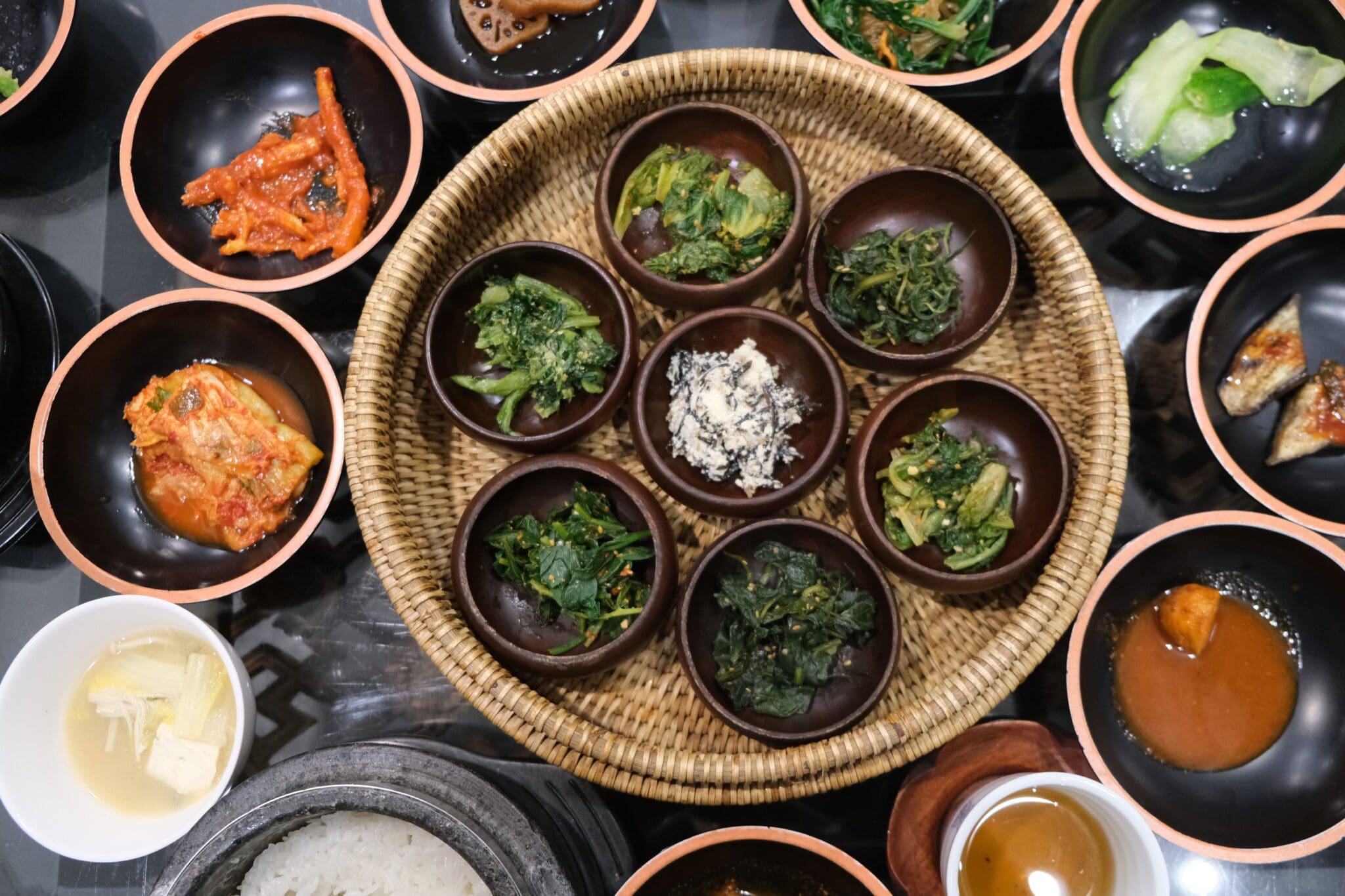
If you’ve ever fallen in love with the bold, spicy kick of Korean BBQ or the rich depth of Kimchi Jjigae, you’ve experienced the “loud” side of Korean cuisine. But there is another side—a quiet, serene, and deeply healing side called Korean Temple Food (Sachal Eumsik).
For a long time, I thought temple food was just “Korean food without meat.” But after diving deeper, I realized it’s not about what’s missing from the plate—it’s about a completely different way of relating to nature and our own bodies.
Whether you’re a vegan, a health enthusiast in the US or UK, or just someone curious about K-culture, this guide will take you through the art of mindful eating in the Korean mountains.
🚫 The Secret of “Osinchae”: Why No Garlic?
The first thing you’ll notice about Temple food is the absence of those pungent aromas we love in everyday Korean cooking. In a typical Korean kitchen, garlic and onions are essential. But in a temple, they are strictly forbidden.
This is because of Osinchae—the five pungent vegetables:
- Garlic, Green Onions, Leeks, Chives, and Wild Chives.
Why avoid them? In Buddhist tradition, these ingredients are believed to overstimulate the senses and disturb the mind during meditation.
Here is the magic part: When you remove the strong “punch” of garlic, something amazing happens. You start to taste the actual flavor of the vegetables. A carrot tastes sweeter; a mushroom tastes more earthy. It’s like a “palate cleanser” for your soul, allowing you to experience the pure essence of the ingredient.
🍂 Seasonal Harmony: Beyond “Veganism”
Many people ask me, “Isn’t this just like Western Veganism?”
While both avoid animal products, the philosophy is worlds apart. Modern Western veganism often focuses on substitutions—think “Beyond Meat” or “Vegan Cheese” that tries to mimic the taste of animal products.
Korean Temple food doesn’t try to mimic anything. It’s the ultimate “farm-to-table” experience, following the rhythm of the seasons:
- Spring: Awakening the body with wild mountain greens.
- Summer: Cooling down with root vegetables and fresh fruits.
- Autumn: Grounding the spirit with rich nuts and mushrooms.
- Winter: Sustaining the body with fermented roots and dried greens.
It’s not about “replacing” meat; it’s about celebrating the natural gift of the earth exactly as it is.
🍲 From Healing Soups to Mindful Snacks
If you’re wondering what this actually tastes like, let’s look at some signature temple-style treats.
1. Temple-Inspired Vegan Soups
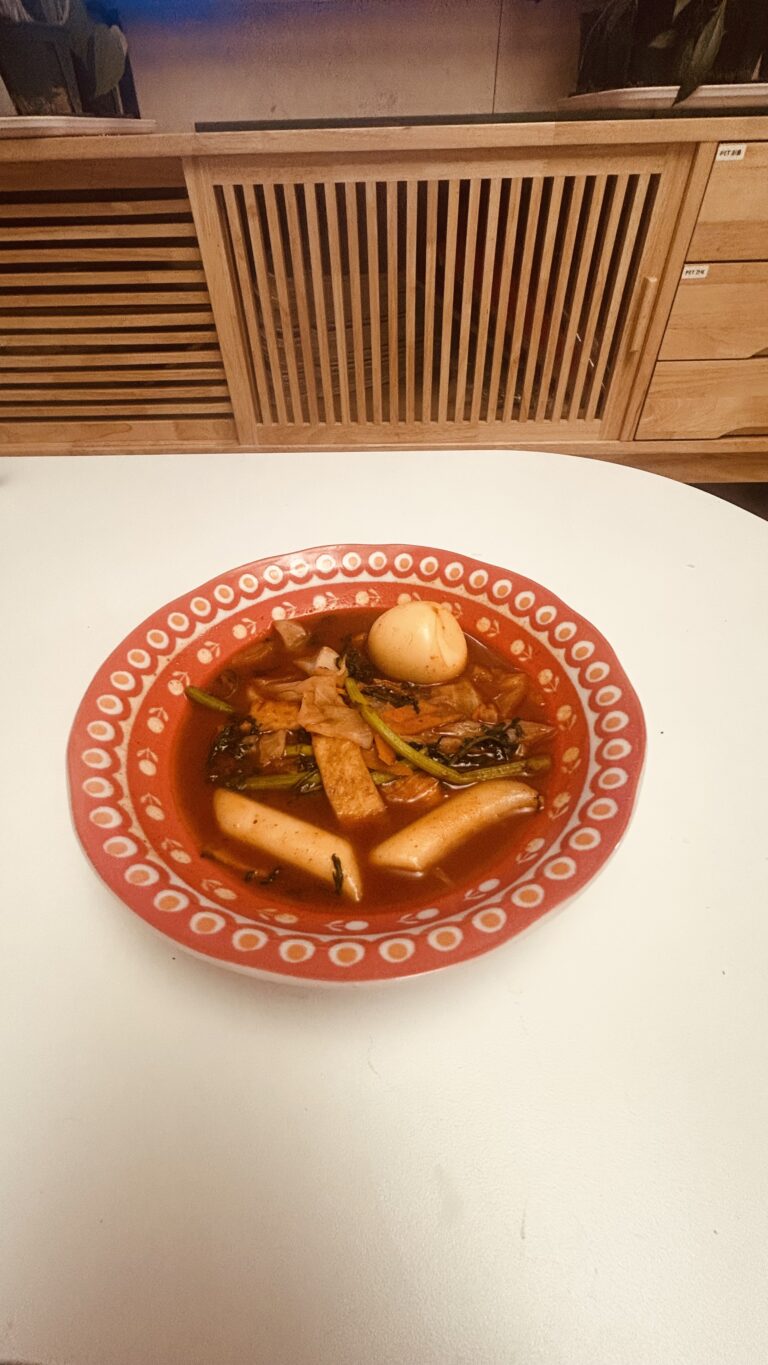
Temple soups are all about “clean” umami. Instead of beef broth, they use a base of dried shiitake mushrooms and kelp (dashima).
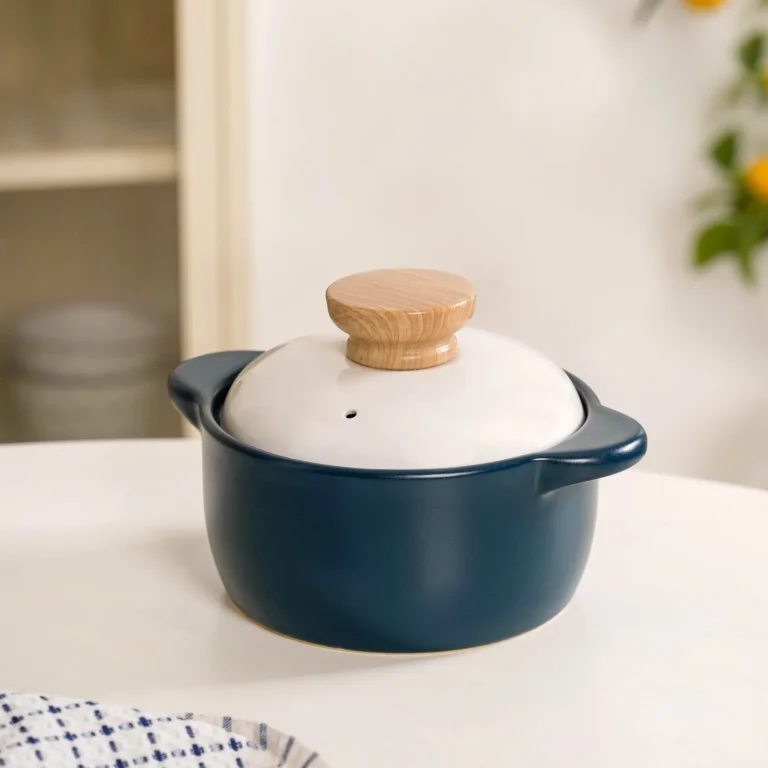
Pro Tip: To make a temple-style soup at home, try simmering radish and tofu in a light soy-based broth. The key is to avoid over-seasoning. Let the natural sweetness of the radish lead the way.
2. The Art of Temple Snacks
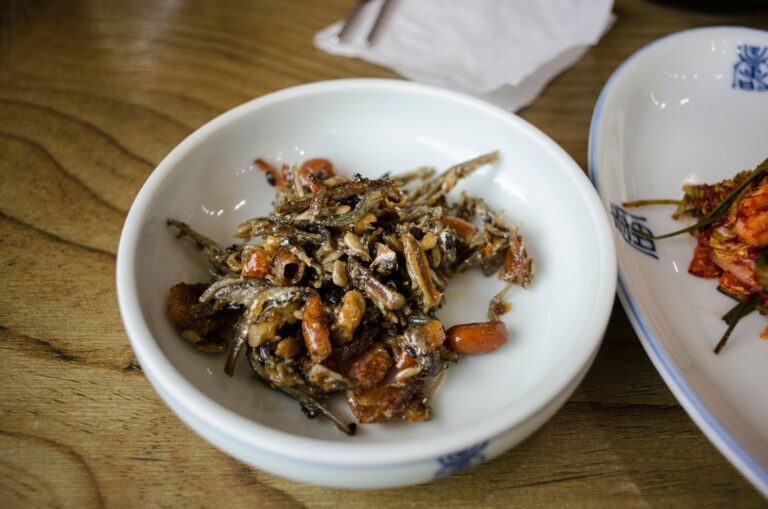
Temple snacks aren’t about sugar rushes; they’re about subtle sweetness and texture. Think of traditional rice cakes (Tteok) or nuts roasted with a hint of sea salt. These snacks are designed to provide energy without clouding the mind, making them the perfect guilt-free treat for a mindful afternoon.
🥢 How to Bring Temple Mindfulness into Your Home
You don’t need to move to a mountain monastery to enjoy the benefits of temple cuisine. You can start small in your own kitchen:
- Try a “No-Garlic Day”: Once a week, challenge yourself to cook without garlic or onions. Use toasted sesame oil and high-quality soy sauce to add depth instead.
- Eat with Gratitude: Before you take your first bite, take a moment to think about the sun, the rain, and the farmers who made this meal possible. This is the heart of “mindful eating.”
- Focus on Fermentation: Use traditional Korean fermented pastes like Doenjang (soybean paste). They provide a rich, savory flavor that satisfies the craving for meat.
✨ Final Thoughts: A Journey to Inner Peace
Korean Temple food is more than just a diet—it’s a practice of kindness toward ourselves and the planet. By slowing down and tasting the purity of nature, we find a sense of peace that a fast-food meal could never provide.
Ready to start your temple food journey?
Finding authentic ingredients like Doenjang or Dried Shiitake can be tricky in the US or UK, but it’s totally possible! Check out my recommended “Where to Buy” guide to find the best authentic Korean staples delivered to your door.
Which part of Temple food intrigues you most? The no-garlic rule or the seasonal philosophy? Let me know in the comments below!
🛒 Bring Korean Flavors Home
- Korean temple cuisine cookbook — mindful recipes to keep → View on Amazon
- Doenjang (fermented soybean paste) — deep, savory umami for stews → View on Amazon
- Roasted perilla oil (deulgireum) — the nutty secret of Korean cooking → View on Amazon
This post contains affiliate links. As an Amazon Associate, I earn from qualifying purchases.