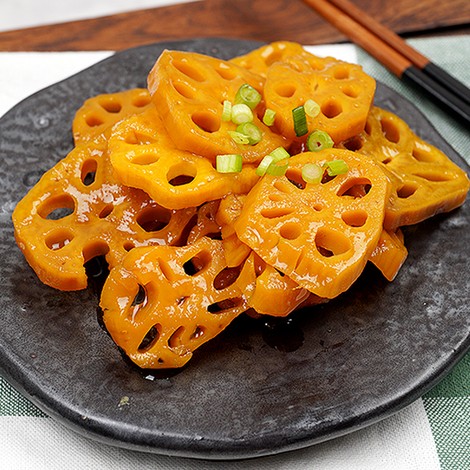

Korean recipes use several sweeteners for more than sweetness. Honey, starch syrups, and rice syrups can affect a sauce’s thickness, shine, stickiness, browning, and flavor. The English names on a package can be confusing, so it helps to compare the ingredient list and intended use rather than choosing only by the word “syrup.”
This guide explains common Korean sweeteners, including honey, mullyeot, and jocheong or rice syrup. Product ingredients, sweetness, thickness, storage directions, availability, and labeling can vary by manufacturer. Check the current package before purchasing, especially if you need to avoid particular grains or allergens.
Common Korean Sweeteners Explained
Honey (Ggul)
Honey is used in Korean desserts, drinks, sauces, and glazes. Its flavor depends on the floral source, processing, and product. A mild honey may blend more easily into a recipe, while a strongly flavored honey can change the final flavor. Use the product’s storage instructions and do not give honey to infants under 12 months.
Mullyeot (Starch Syrup)
Mullyeot (물엿) is a Korean starch syrup often used to add shine, stickiness, and a smooth sweetness to sauces, marinades, stir-fries, and sweets. Depending on the product, it may be made from corn, rice, or other starch sources. The exact ingredients and thickness vary, so read the label rather than assuming every product called mullyeot is the same.
Jocheong or Rice Syrup
Jocheong (조청) is commonly described in English as rice syrup or rice malt syrup. Products may have a mild grain-like or malty flavor and a thick consistency. Some products use rice, malted grain, or a blend, so check the ingredient list if you need to avoid gluten or want a specific grain base.
| Sweetener | Typical role in cooking | What to check on the label |
|---|---|---|
| Honey | Sweetness, aroma, glazes, desserts, drinks | Flavor source, texture, storage guidance |
| Mullyeot / starch syrup | Gloss, stickiness, sauces, marinades, sweets | Starch source, ingredients, thickness, allergen information |
| Jocheong / rice syrup | Mild sweetness, grain-based flavor, desserts and sauces | Rice or malt ingredients, thickness, allergen information |
Important terminology note: English translations such as “rice syrup,” “corn syrup,” “starch syrup,” and “malt syrup” are used inconsistently by retailers. The ingredient list is more useful than the English product name when comparing two products.
How to Choose the Right Sweetener
| If your recipe needs… | Consider checking… | Practical alternative |
|---|---|---|
| A glossy sauce or coating | Mullyeot or another starch syrup with a texture suitable for the recipe | Clear corn syrup may work in some recipes, with flavor and sweetness adjustments |
| Honey flavor and aroma | A honey whose flavor strength suits the dish | A mild honey or another syrup, depending on the recipe |
| A grain-like or malty note | Jocheong or a product with rice or malted-grain ingredients | Brown rice syrup may work in some recipes; compare thickness and flavor |
| A specific dietary requirement | The full ingredient and allergen statement | Choose only a product whose current label fits your needs |
Substitutions change more than sweetness. A syrup may be thinner or thicker than the original ingredient, and honey has a distinct flavor. When substituting, start with a smaller amount, compare the consistency, and adjust the recipe gradually.
Reading Labels and Allergen Information
- Starch source: Look for corn, rice, barley, wheat, tapioca, or other starches in the ingredient list.
- Sweeteners: Product formulas may include sugar, glucose, corn syrup, rice syrup, or other sweeteners.
- Allergens: Some syrups may contain barley, wheat, or other ingredients relevant to gluten-free diets. Read the current manufacturer allergen statement.
- Texture: A thick syrup may need a different measurement or adjustment than a thin syrup.
- Storage: Follow the package instructions after opening. Do not rely on general storage advice when the label says otherwise.
Where to Buy Korean Sweeteners
Availability depends on your location. These are common places to compare Korean honey, mullyeot, and rice syrup:
- Korean grocery stores: Look near sauces, cooking oils, baking ingredients, or pantry sweeteners. Korean stores may carry more than one syrup style.
- Asian supermarkets: Larger stores may stock Korean starch syrups and rice-based sweeteners in the Korean pantry section.
- Specialty online retailers: Useful for comparing product ingredients, sizes, shipping regions, and retailer policies.
- Large online marketplaces: Compare the exact listing, seller, product image, package size, and current label information before ordering.
For broader shopping information, visit the Where to Buy hub. For other Korean pantry ingredients, see Essential Korean Pantry Staples for Beginners.
Practical Recipe Tips
- Measure sticky syrups with a spoon or measuring cup prepared according to your recipe’s instructions.
- When substituting, adjust one factor at a time: sweetness, thickness, or flavor.
- For sauces and glazes, add a syrup gradually and check the consistency as it cooks.
- Use a clean utensil when removing syrup from a container, then close the lid securely.
- For baking, follow a tested recipe when possible because sweeteners can affect moisture, browning, and texture.
Frequently Asked Questions
Is mullyeot the same as Western corn syrup?
Not always. Mullyeot is a broad Korean term for starch syrup, and products can use different starch sources. Some corn-based products may be closer to Western corn syrup than rice-based products. Compare the ingredient list and texture for the exact product.
Can I use honey instead of rice syrup?
Honey can work in some recipes, but it adds its own flavor and may change the sweetness, color, and consistency. It is best to make a small adjustment first rather than substituting by volume without testing.
Is rice syrup gluten-free?
Do not assume it is. Some products may include barley malt or other grain ingredients. Check the current product label and allergen information if you need to avoid gluten.
Which sweetener should a beginner buy first?
Choose the ingredient needed for a recipe you plan to make. If you mainly need a glossy marinade or sauce, compare starch syrups. If you want a honey flavor, choose honey. Buying for a planned dish is more useful than buying several syrups at once.
Last checked: Product ingredients, sweetness, thickness, stock, prices, storage guidance, and retailer policies can change. Check current package and retailer information before purchasing.
🛒 Stock Your Korean Pantry
- Rice syrup (mullyeot/jocheong) — glossy, mild sweetness → View on Amazon
- Korean oligosaccharide syrup — the shiny stir-fry finish → View on Amazon
- Korean acacia honey — the gentle sweetener → View on Amazon
This post contains affiliate links. As an Amazon Associate, I earn from qualifying purchases.