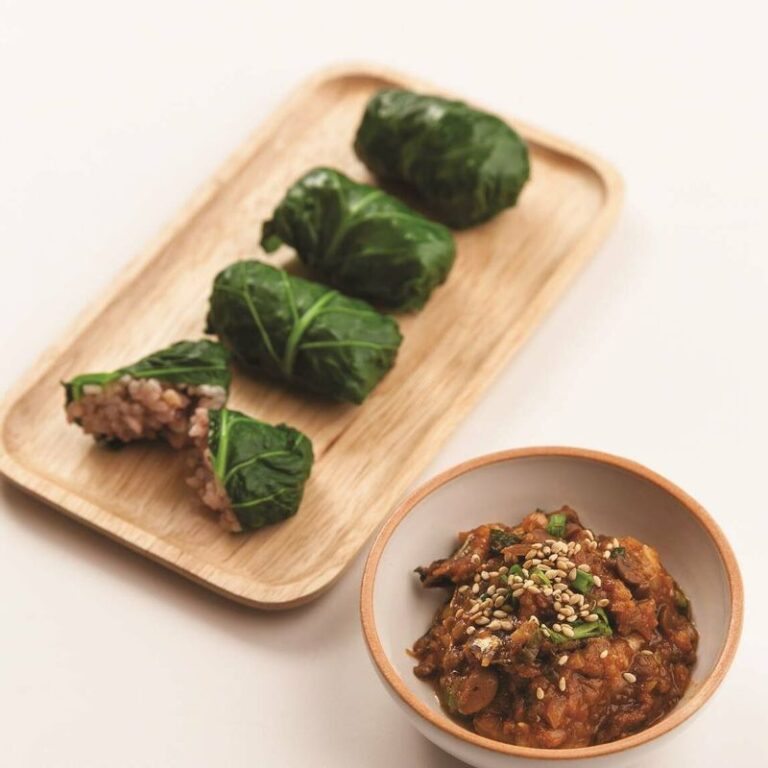
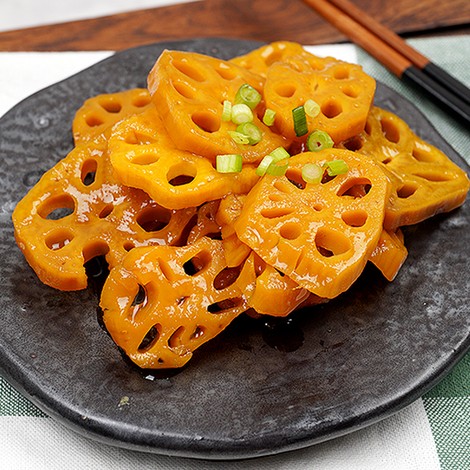
Lotus root is a crisp aquatic vegetable with a distinctive pattern of holes when sliced. In Korean cooking it is often used in braised side dishes, stir-fries, soups, and pickled preparations. It has a mild, slightly sweet, earthy flavor and a texture that can remain crisp or become tender depending on how it is cooked.
This guide explains how to identify Korean lotus root, prepare it safely, choose practical substitutes, and find it in the US or UK. Freshness, storage instructions, product form, and availability vary by retailer, so check the current package and product condition before using it.
What Is Korean Lotus Root?
Lotus root is commonly called yeongeun (연근) in Korean. It is the underground stem of the lotus plant, not the leaf. It is sold fresh, sliced, frozen, canned, or pickled depending on the market. Each form has a different texture and may suit different recipes.
| Form | Typical use | What to check |
|---|---|---|
| Fresh lotus root | Braising, stir-fries, soups, salads | Firm texture, clean surface, storage condition |
| Frozen lotus root | Convenient cooked dishes | Package directions and whether it is pre-sliced |
| Canned or vacuum-packed lotus root | Quick stir-fries, braises, salads | Brine or seasoning, rinse instructions, package date |
| Pickled lotus root | Ready-to-eat side dish or garnish | Sweetness, vinegar, salt, and storage guidance |
How Lotus Root Is Used in Korean Cooking
- Yeongeun-jorim: A soy-braised lotus-root side dish, often sliced and cooked until glossy and tender-crisp.
- Stir-fries: Sliced lotus root can add crunch to vegetable and protein dishes.
- Soups and stews: It can be added for texture in clear broths and vegetable-based dishes.
- Pickles and side dishes: Some products are prepared with vinegar or seasoning and served as banchan.
Cooking note: Lotus root texture changes with slice thickness and cooking time. For a crisp texture, avoid overcooking. For braised dishes, follow a tested recipe and adjust cooking time according to the thickness of the slices.
Preparing Fresh Lotus Root
- Wash and peel fresh lotus root as needed, removing surface dirt.
- Slice with a stable cutting board and sharp knife; the root can be firm and slippery.
- Use promptly after cutting, or follow a recipe’s method for holding slices in water.
- Cook according to the recipe and local food-safety guidance. Do not assume all lotus root is intended to be eaten raw.
- For packaged, canned, frozen, or pickled products, follow the manufacturer’s preparation and storage directions.
Lotus Root Substitutes
No substitute has the same appearance and texture as lotus root, but you can choose an alternative based on whether a dish needs crunch, mild sweetness, or a vegetable for braising.
| Alternative | Most useful for | How it differs |
|---|---|---|
| Water chestnuts | Stir-fries and salads | Very crisp and mild, but smaller and less starchy |
| Jicama | Fresh dishes and stir-fries | Crisp and mildly sweet, without lotus root’s pattern |
| Daikon radish | Soups and braised dishes | Changes texture when cooked and has a mild peppery note |
| Parsnip or turnip | Cooked side dishes and soups | Softer and more root-vegetable flavored |
| Celery root | Braises and soups | Earthy flavor and different texture |
For soy-braised lotus root, a substitute can create a different but useful side dish. Focus on the sauce and cooking method rather than expecting an exact replacement.
Flavor Pairings and Cooking Checks
| Ingredient | How it is commonly used with lotus root | Check before using |
|---|---|---|
| Soy sauce | Braises and savory seasonings | Sodium and allergen information |
| Sweetener or syrup | Balances soy-based braising liquids | Type of sweetener and recipe amount |
| Sesame oil | Finishing aroma for cooked dishes | Use according to recipe and label guidance |
| Vinegar | Pickles and some preparation methods | Recipe quantity and product type |
| Chili flakes or gochujang | Optional heat in some side dishes | Heat level and dietary needs |
Where to Buy Lotus Root
- Korean and Asian grocery stores: Often the best place to compare fresh, frozen, canned, and pickled forms.
- Chinese or international markets: May stock fresh or packaged lotus root in the produce, frozen, or pantry section.
- Specialty online retailers: Useful for packaged products when local fresh produce is unavailable.
- Mainstream grocery stores: Some stores carry water chestnuts, daikon, jicama, or other substitutes even when lotus root is unavailable.
For more ingredient shopping information, visit the Where to Buy hub and the Ingredient Swaps section.
Storage and Food Safety
- Follow the retailer or package storage guidance for the exact form you buy.
- Keep fresh produce refrigerated as appropriate and use it before it deteriorates.
- Check for mold, strong off-odors, excessive softness, damaged packaging, or other signs of spoilage.
- Use clean utensils and follow local food-safety guidance when preparing vegetables.
Frequently Asked Questions
Can I use canned lotus root?
Yes, if the product instructions suit your recipe. Compare its texture and whether it is packed in water, brine, or seasoning. Rinse or prepare it according to the package directions.
Is lotus root spicy?
Lotus root itself is not spicy. The final heat level depends on the recipe and seasonings used.
What is the closest substitute for lotus root?
For crisp texture, water chestnuts or jicama can be practical options. For soups or braises, daikon or another root vegetable may be more suitable. The best choice depends on the dish.
Last checked: Product forms, freshness, stock, prices, storage instructions, and retailer policies can change. Check current package and retailer information before purchasing.
🛒 Stock Your Korean Pantry
- Lotus root tea (yeongeun-cha) — calm, earthy cups → View on Amazon
- Lotus root chips — crunchy, pretty, addictive → View on Amazon
- Rice vinegar for pickling — the jangajji base → View on Amazon
This post contains affiliate links. As an Amazon Associate, I earn from qualifying purchases.