Korean Cooking Starter Kit for Beginners
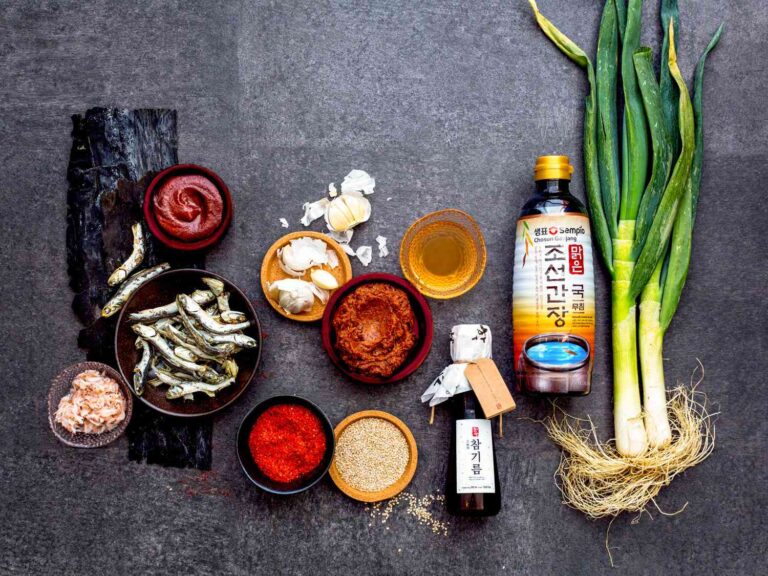
Starting a Korean pantry can feel overwhelming when a grocery aisle is filled with unfamiliar sauces, pastes, oils, noodles, and dried ingredients. The good news is that you do not need to buy everything at once. A small group of versatile ingredients can help you make a wide range of Korean-inspired meals at home.
This Korean cooking starter kit is organized for beginners in the US, UK, and other English-speaking markets. Start with the essentials, then add ingredients and tools according to the dishes you want to make. Product formulas, stock, shipping, and availability can change, so check the current package label and retailer information before buying.
The Three-Item Korean Pantry Quick Start
If you want to begin with only three ingredients, choose items that work across many dishes:
| Ingredient | What it adds | Beginner uses |
|---|---|---|
| Gochujang | Spicy, sweet, fermented depth | Sauces, bibimbap, marinades, noodles |
| Doenjang | Earthy, salty, fermented umami | Soups, stews, dips, sauces, vegetables |
| Toasted sesame oil | Nutty aroma and finishing flavor | Rice bowls, noodles, vegetables, dipping sauces |
These three ingredients do not replace every Korean pantry staple, but they give beginners a practical starting point. For a more complete list, see the Essential Korean Pantry Staples guide.
Essential Korean Pantry Ingredients
1. Gochujang
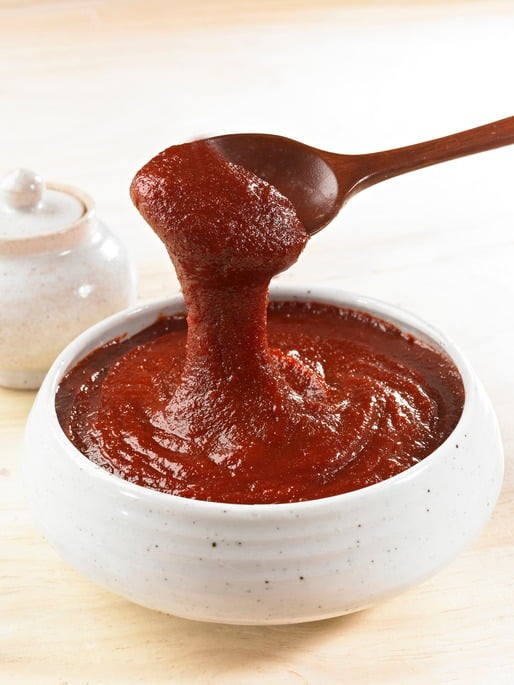
Gochujang is a fermented red chili paste with a spicy, sweet, and savory flavor. It is commonly used in sauces, marinades, bibimbap, tteokbokki, and noodle dishes.
- Choose a heat level that suits your household.
- Check the ingredient list if you need to avoid wheat or other allergens.
- Keep it refrigerated after opening if the package instructions recommend refrigeration.
For shopping guidance, read Where to Buy Authentic Korean Gochujang.
2. Doenjang
Doenjang is a fermented soybean paste used in soups, stews, sauces, dips, and vegetable dishes. Products vary in saltiness, texture, aroma, and ingredient composition.
- Start with a small amount because the flavor can be strong.
- Check whether the product contains wheat or barley if that matters for your diet.
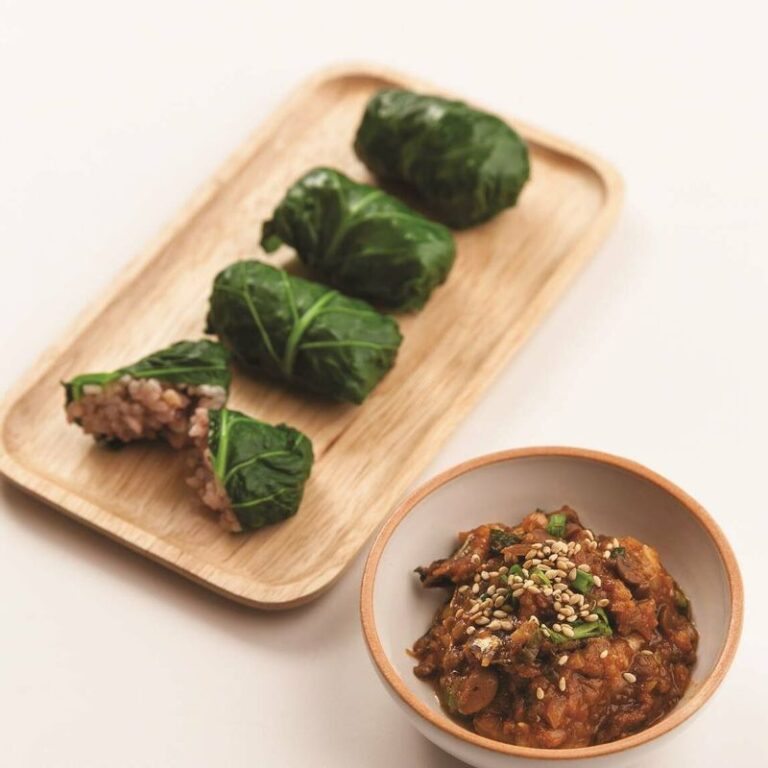
- Do not confuse plain doenjang with ssamjang, which is a seasoned dipping sauce.
Read the full Korean Doenjang Guide and Brand Comparison.
3. Korean soy sauce
Korean soy sauce is used for seasoning soups, marinades, stir-fries, dipping sauces, and many banchan. Beginners can start with an all-purpose Korean soy sauce and later explore soup soy sauce or other varieties.
- Compare the product name and intended use on the label.
- Remember that soy sauce is salty, so add it gradually.
- Check the allergen information if you need to avoid wheat or soy.
4. Toasted sesame oil
Toasted sesame oil is usually used as a finishing oil rather than as the main high-heat cooking oil. A small amount can add a strong nutty aroma to rice, noodles, vegetables, soups, and dipping sauces.
- Use a small amount first because the aroma is concentrated.
- Store it according to the package instructions and protect it from heat and light.
- Compare toasted and untoasted products because their flavors are different.
For more details, see the Korean Cooking Oils guide.
5. Gochugaru
Gochugaru is Korean red chili powder or flakes. Coarse gochugaru is often used for kimchi and some stews, while fine gochugaru can dissolve more easily in sauces and soups. The heat level varies, so check the product description and label.
- Choose coarse or fine texture based on the dish.
- Store it airtight in a cool, dark place.
- Do not assume all red pepper flakes taste like gochugaru; the color, texture, and flavor can differ.
6. Short-grain or Korean-style rice
Rice is a common part of Korean meals. Korean-style short-grain rice is usually stickier than long-grain rice, making it easier to eat with chopsticks and suitable for rice bowls, gimbap, and bibimbap.
- Rinse the rice according to the package instructions.
- Use a measuring cup and the recommended water ratio.
- If Korean rice is unavailable, look for short-grain rice or sushi rice as a practical alternative.
7. Dried seaweed
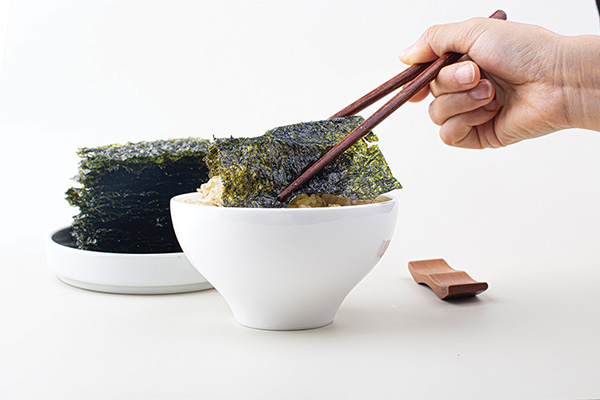
Dried seaweed appears in several forms. Roasted seasoned gim can be eaten with rice or as a snack, while unseasoned dried seaweed and kelp may be used in soups and broths.
- Check whether the product is seasoned or plain.
- Compare sodium levels if you are limiting salt.
- Store opened packages airtight to help preserve crispness.
For a product comparison, see Korean Seaweed Snacks: Flavor and Ingredient Comparison.
Useful Ingredients to Add Later
Once you are comfortable with the essentials, add ingredients based on the dishes you want to make rather than buying everything at once.
| Ingredient | Useful for | Why add it later? |
|---|---|---|
| Rice vinegar | Dipping sauces, salads, pickles | Useful, but not essential for every beginner dish |
| Rice syrup or mullyeot | Glazes, marinades, sticky sauces | Honey or another syrup may work in some recipes |
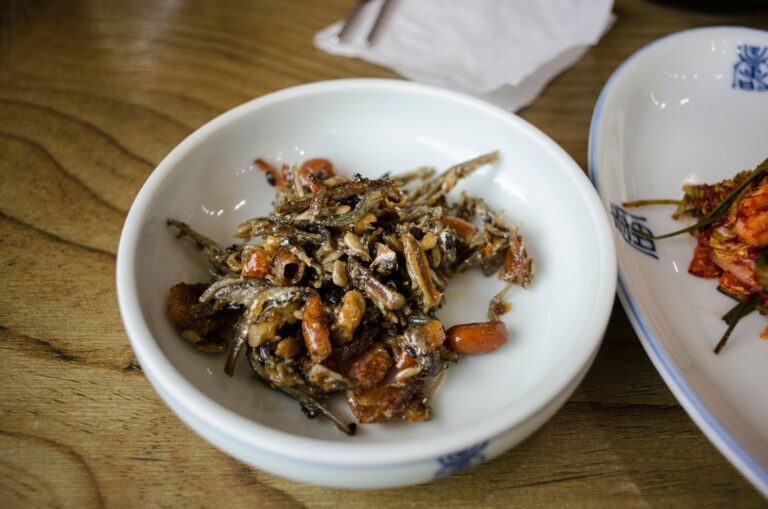
| Dried anchovies | Broths and soups | Not suitable for every diet; dried kelp or mushrooms may be alternatives |
| Dasima or dried kelp | Broth and stock | Best added when you begin making Korean soups |
| Glass noodles | Japchae and stir-fries | Purchase when you plan to make noodle dishes |
| Kimchi | Side dishes, fried rice, stews | Flavor and fermentation level vary widely; beginners may want to try a small container first |
Korean Kitchen Tools: What You Actually Need
You do not need a completely Korean-style kitchen to begin cooking Korean food. Start with tools you will use often and add specialized equipment later.
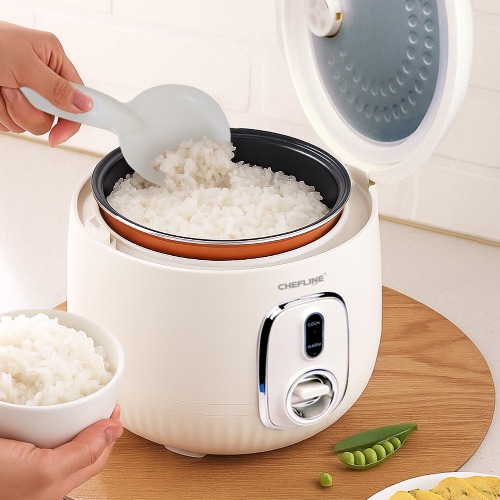
Rice cooker
A rice cooker can make Korean-style rice more convenient and consistent. A basic rice cooker is enough for many beginners; additional functions are useful only if you will use them.
See the Korean rice cooker guide for more information.
Ttukbaegi or small earthenware pot
A ttukbaegi is commonly used for bubbling soups and stews. Check the manufacturer’s instructions before using it on an electric or induction cooktop, and avoid sudden temperature changes that may crack earthenware.
Dolsot or stone bowl
A dolsot can be used for sizzling bibimbap and dishes with a crisp rice layer. It is heavy and requires careful handling, so it is usually better as a later purchase rather than a first-day essential.
Metal chopsticks and Korean spoons
Flat metal chopsticks and long-handled spoons are common Korean tableware. They are useful for serving and eating Korean dishes but are not essential for cooking your first meals.
Kimchi container
An airtight container can help store kimchi and reduce odor transfer in the refrigerator. Choose a food-safe container that is easy to clean and follow the manufacturer’s instructions.
For a broader tool comparison, see Korean Kitchen Essentials: Pots, Knives, and Tools.
Choose a Starter Kit Based on Your Cooking Goal
For complete beginners
Start with gochujang, doenjang, Korean soy sauce, toasted sesame oil, and short-grain rice. These ingredients provide a flexible base for sauces, rice bowls, soups, and simple vegetable dishes.
For Korean barbecue at home
Consider gochujang, ssamjang, sesame oil, Korean barbecue marinade, lettuce or perilla leaves, metal tongs, and a suitable grill pan. Always follow the safety instructions for indoor cooking equipment.
For vegan or plant-based cooking
Look for doenjang, gochujang, Korean soy sauce, sesame oil, dried mushrooms, tofu, seaweed, and vegetable broth ingredients. Check each label for fish sauce, shrimp, anchovy, or other animal-derived ingredients.
For lower-spice cooking
Begin with doenjang, Korean soy sauce, sesame oil, rice, dried seaweed, tofu, mushrooms, and mild sauces. Add gochujang or gochugaru gradually if you want more heat.
For gluten-conscious shopping
Read the current ingredient list and allergen statement for every sauce, paste, noodle, and seasoning. Product formulas differ between brands and countries, so a general category label is not enough to confirm that a product meets your needs.
Where to Shop for Korean Ingredients
Depending on where you live, you may find Korean ingredients at local Korean grocery stores, larger Asian supermarkets, specialty online retailers, or general online marketplaces. A local store can be useful when you want to compare labels and ask staff about unfamiliar products. Online shopping can be convenient, but check shipping costs, storage requirements, seller information, and current stock.
- US shoppers: Search local Korean grocery stores, Asian supermarkets, and online retailers that deliver to your area.
- UK shoppers: Check Korean markets and larger Asian supermarkets in cities such as London, Birmingham, and Manchester, as well as online sellers.
- Other countries: Search for a local Korean grocery store first, then compare specialist online retailers and marketplace listings.
Visit the Where to Buy Korean Ingredients hub for more shopping guidance.
Final Beginner Checklist
- Choose one fermented paste: gochujang or doenjang.
- Add Korean soy sauce and toasted sesame oil.
- Buy short-grain rice or a practical substitute.
- Choose one dried ingredient, such as seaweed.
- Read the label for allergens, storage, and serving information.
- Buy ingredients for the dishes you actually plan to make.
- Add specialized cookware only after you know you will use it.
More Korean Food Guides
Continue exploring with Korean Food 101, browse ingredient substitutions, or visit the Where to Buy section for more shopping help.
Last checked: Product ingredients, stock, shipping, and labeling can change. Check the retailer’s current listing and the product package before purchasing.