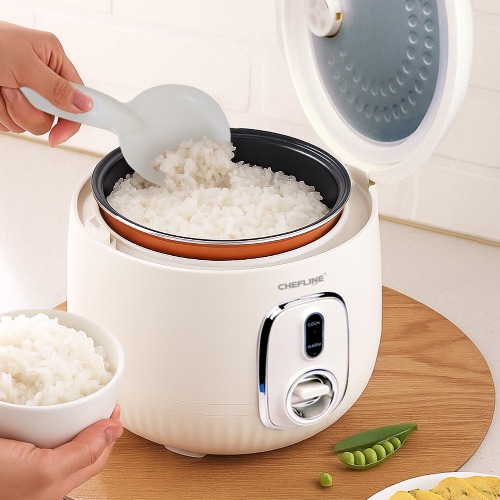
A rice cooker can make Korean-style rice more convenient, but the best choice depends on your household size, local voltage, budget, and the types of grains you cook. You do not need a specific Korean brand to make bibimbap or other Korean rice dishes, although a cooker with suitable settings can be useful for people who cook short-grain rice often.
This guide explains the features to compare when shopping for a rice cooker in the US or UK, including capacity, heating technology, pressure functions, voltage, cleaning, and warranty. Model specifications, availability, prices, and regional support can change, so check the current manufacturer and retailer information before purchasing.
Do You Need a Korean Rice Cooker for Bibimbap?
No. Bibimbap can be made with rice cooked in a standard rice cooker or a covered pot. The key factors are using a suitable rice variety, following its water guidance, and choosing a texture you enjoy. A specialized cooker can be helpful if you frequently cook short-grain rice, mixed grains, porridge, or rice dishes that benefit from preset programs.
Start with the rice: A cooker cannot make every rice variety behave like Korean short-grain rice. For Korean-style rice bowls, compare short-grain or Korean-style rice options and follow the package’s rinsing, soaking, and water instructions.
Features to Compare Before Buying
| Feature | What it does | Who may find it useful |
|---|---|---|
| Basic cook and keep-warm | Provides a simple rice-cooking cycle and warming function | Occasional rice cooks who want a straightforward appliance |
| Micom or fuzzy-logic control | Uses programmed temperature and timing adjustments | People who want several rice or grain settings |
| Pressure cooking | Available on some models; may change cooking time and texture | Shoppers who want a pressure-specific model and are comfortable with its care requirements |
| Induction heating | Available on some higher-specification models; heating design varies by manufacturer | Shoppers comparing premium features, warranty, and price |
| Mixed-grain or porridge settings | Programs for brown rice, mixed grains, porridge, or other uses | Households that cook more than plain white rice |
| Removable lid parts | Can make regular cleaning easier on some models | Anyone prioritizing maintenance and hygiene |
Feature names are not standardized across brands. A setting called “multi-cook,” “mixed rice,” or “grain” may work differently by model. Read the current manual or product page rather than assuming two similarly named settings perform the same way.
Choose the Right Capacity
Rice-cooker capacity is often stated in cups of uncooked rice, but a manufacturer’s cup may not equal a standard US measuring cup. Compare the stated uncooked capacity, serving guidance, and the included measuring cup before deciding.
| Typical capacity range | May suit | Before choosing |
|---|---|---|
| Small (around 3 cups) | One or two people, or limited counter space | Check whether it can make the smallest amount of rice you usually cook |
| Medium (around 5 to 6 cups) | Small households and regular meal preparation | Compare the maximum capacity with the amount you cook for guests or meal prep |
| Large (around 8 to 10 cups or more) | Larger households, batch cooking, or frequent entertaining | Check counter space, storage, weight, and minimum cooking quantity |
Voltage, Plug Type, and Regional Warranty
Voltage is one of the most important checks for electric kitchen appliances. US models are commonly designed for North American electrical standards, while UK and European models may use different voltage and plug formats. Buy a model designed for your location whenever possible.
- Check the voltage and plug type shown on the exact product listing or product label.
- Do not assume an imported model is compatible just because the plug physically fits with an adapter.
- Check whether the manufacturer warranty is valid in your country.
- Read the safety and care instructions supplied with the exact model.
Electrical safety: Do not rely on general online advice about transformers or adapters for a specific appliance. Follow the manufacturer’s electrical specifications and seek qualified advice when compatibility is unclear.
Brand and Model Shopping Framework
Cuckoo, Zojirushi, Tiger, and Yum Asia are examples of brand names shoppers may encounter in US or UK rice-cooker searches. No brand or model is the best choice for every kitchen. Compare the exact product rather than relying on the brand name alone.
| Compare this | Why it matters |
|---|---|
| Local model number | Specifications, voltage, accessories, and warranty can differ by market |
| Programs you will actually use | Extra functions add value only if they fit your cooking habits |
| Inner pot material and replacement parts | Cleaning guidance, coatings, and replacement availability vary by model |
| Controls and language | Make sure the display, manual, and settings are usable for you |
| Retailer return policy | Useful for a large appliance if delivery damage or compatibility problems occur |
Where to Buy Korean-Style Rice Cookers
Availability depends on your location. These are common places to compare rice cookers:
- Korean and Asian grocery stores: Some stores carry rice cookers or can help you compare local models, capacity, and accessories.
- Appliance retailers: Useful for comparing products with local voltage, warranty, and returns.
- Specialty online retailers: May list model-specific information and replacement parts.
- Large online marketplaces: Helpful for comparing listings, but check the seller, model number, voltage, warranty, and return policy before ordering.
For more general equipment guidance, see the Korean Kitchen Essentials guide. For starter ingredients, visit the Korean Cooking Starter Kit.
Using a Rice Cooker for Korean-Style Rice
- Choose rice suited to the texture you want; Korean-style short-grain rice and sushi rice are commonly used for sticky rice bowls.
- Rinse and soak only according to the rice package or cooker guidance. Recommendations vary by rice type and product.
- Use the cooker’s included cup and water markings when the manufacturer instructs you to do so.
- After cooking, fluff the rice according to the appliance instructions and keep the lid closed when appropriate.
- Clean the inner pot, lid parts, steam vent, and accessories according to the manufacturer’s care directions.
Frequently Asked Questions
Can I make bibimbap rice in a basic rice cooker?
Yes. A basic cooker can work well when you use an appropriate rice variety and follow its instructions. Specialized settings can be convenient, but they are not required for bibimbap.
Is pressure cooking necessary for Korean rice?
No. Pressure is one feature offered by some models, not a requirement for Korean-style rice. Choose it only if its functions, cleaning needs, price, and local support suit your kitchen.
What size rice cooker should I buy?
Choose based on the smallest and largest amounts of rice you expect to cook, not only the number of people in your household. Check the manufacturer’s capacity guidance because cup measurements vary.
Can I use a US rice cooker in the UK?
Do not assume it is compatible. Check the exact model’s voltage, plug type, and manufacturer guidance. A locally designed model is usually the simpler option.
Last checked: Product specifications, voltage, stock, prices, warranty coverage, and retailer policies can change. Check current manufacturer and retailer information before purchasing.
🛒 Shop This Guide: Korean Kitchen Picks
- Cuckoo 6-cup pressure rice cooker (120V) — perfect bap every time → View on Amazon
- Cuckoo 3-cup rice cooker (120V) — right-sized for 1–2 people → View on Amazon
- Hetbahn cooked rice packs — microwave bap in 2 minutes → View on Amazon
This post contains affiliate links. As an Amazon Associate, I earn from qualifying purchases.