
Korean hot pot and shared stew meals can use many different broth bases, from mild anchovy-kelp stock to spicy kimchi or gochujang-based soup. Store-bought products can make preparation more convenient, but they vary in format, saltiness, allergens, heat, and intended use.
This guide explains common Korean hot pot broth styles and what to compare when shopping in the US or UK. Product ingredients, serving sizes, sodium, availability, and preparation directions can change, so check the current package before purchasing or cooking.
Common Korean Broth Styles
| Broth style | Typical flavor profile | Common ingredients to check |
|---|---|---|
| Anchovy-kelp | Light, savory, marine, mild | Anchovy, kelp, fish, shellfish, sodium |
| Beef or beef-bone | Rich, meaty, mild | Beef ingredients, sodium, added seasonings |
| Doenjang | Fermented, earthy, savory | Soy, wheat or grains, salt, fermented soybean paste |
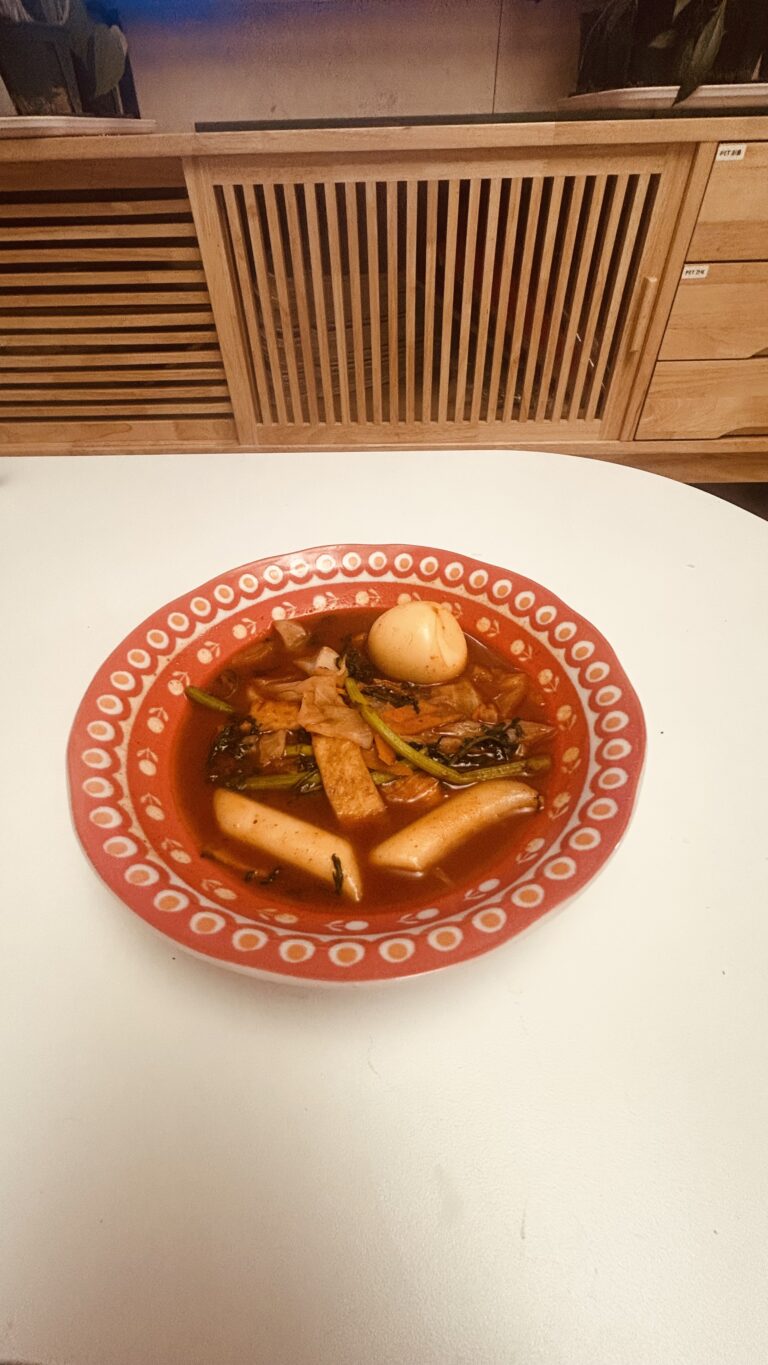
| Kimchi | Tangy, fermented, often spicy | Chili, fish ingredients, soy, wheat, sodium |
| Gochujang or spicy red broth | Spicy, sweet, savory | Chili paste, soy, wheat, sweeteners, heat level |
| Vegetable or mushroom | Vegetable-forward, savory | Ingredients, allergens, salt, vegan claims |
Broth label tip: A package may be a ready-to-use broth, a liquid concentrate, a powder, or a seasoning packet. These need different amounts of water and should not be treated as interchangeable.
How to Choose a Broth Base
| If you want… | Compare these details | Practical starting point |
|---|---|---|
| A mild shared meal | Heat level, sodium, allergens, serving size | Anchovy-kelp, vegetable, or mild beef-style broth |
| A spicy Korean-style soup | Chili ingredients, heat indicator, dilution instructions | Kimchi or gochujang-style product, adjusted to taste |
| A vegetarian option | Full ingredients and manufacturer dietary statement | Vegetable or mushroom broth with a clear current label |
| More control over strength | Concentrate or powder directions and sodium per serving | A product that allows gradual dilution |
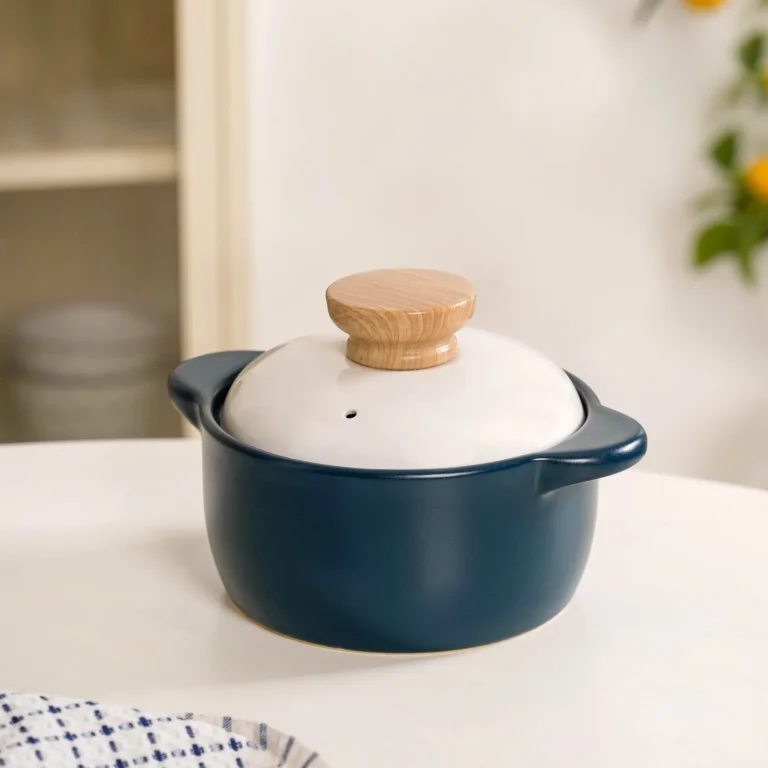
| A quick meal | Ready-to-use format, number of servings, storage | Ready-to-use broth or pouch that fits your cookware |
What to Check on the Label
- Format and dilution: Confirm whether water must be added and use the package ratio as a starting point.
- Serving size: Compare sodium and calories using the stated serving size.
- Allergens: Korean broth products may contain fish, shellfish, soy, wheat, sesame, or beef. Read the current allergen statement.
- Heat: Product descriptions may use mild, medium, hot, or a visual spice indicator.
- Storage: Check whether a product is shelf-stable, refrigerated, frozen, and how it should be stored after opening.
Using Store-Bought Broth Bases
- Follow package instructions for dilution, heating, and serving quantity.
- Start with the recommended amount of concentrate or powder, then adjust only after tasting.
- Add ingredients according to their cooking time; dense vegetables and raw proteins may need more time than leafy vegetables or noodles.
- Use safe food handling practices for raw meat, seafood, and prepared broth.
- Do not assume a broth is low sodium, gluten-free, vegan, or allergen-free without checking the current label.
Where to Buy Korean Hot Pot Broth Bases
- Korean grocery stores: Often carry pouches, concentrates, powders, and soup-base products in several flavors.
- Asian supermarkets: May stock Korean, Chinese, Japanese, and other regional hot pot products; compare labels carefully.
- Specialty online retailers: Useful for comparing current product ingredients, formats, and shipping regions.
- Large online marketplaces: Check seller information, product image, expiry or best-before guidance, and retailer policies before ordering.
For related ingredients, see the Korean Dried Anchovies Guide, the Korean Doenjang Guide, and the Where to Buy hub.
Frequently Asked Questions
Is Korean hot pot broth always spicy?
No. Anchovy-kelp, beef, vegetable, and some doenjang broths can be mild. Heat depends on the product and recipe.
Can I use a Japanese or Chinese hot pot broth instead?
You can use another broth style when it fits your meal, but the flavor will differ. Check the product’s ingredients, heat, and allergens, then treat it as a variation rather than an exact Korean substitute.
How much broth base should I use?
Use the package instructions as a starting point. Product concentration varies, so do not use a generic amount from another brand.
Last checked: Product ingredients, sodium, heat levels, formats, stock, and retailer policies can change. Check current package and retailer information before purchasing.
🛒 Build Your Hot Pot
- Budae jjigae / hot pot base — instant stew backbone → View on Amazon
- Korean stock powder (dasida) — the shortcut umami boost → View on Amazon
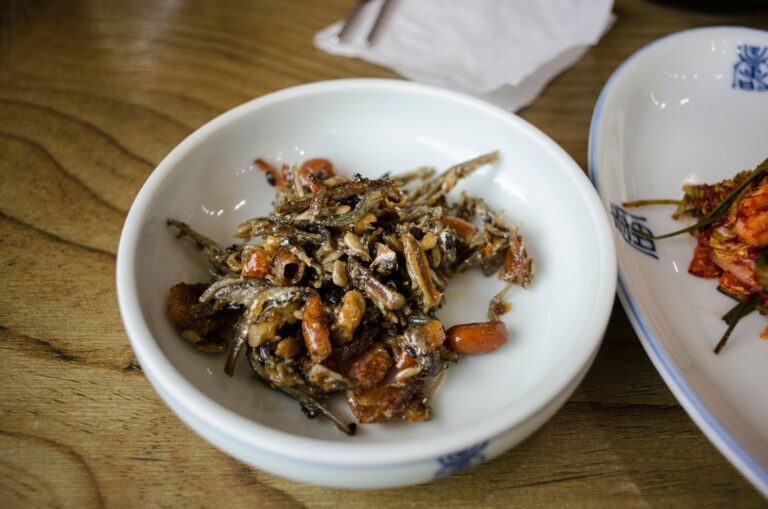
- Dried anchovies (myeolchi) — stock, stir-fries, and crispy snacks → View on Amazon
This post contains affiliate links. As an Amazon Associate, I earn from qualifying purchases.