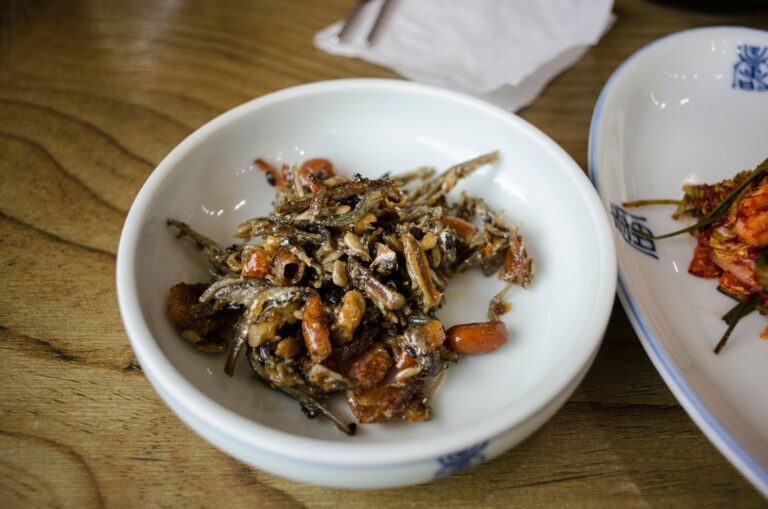

Korean dried anchovies, called myeolchi, are a pantry ingredient used for broth, side dishes, and seasoning. They are sold in several sizes, and the size matters: larger anchovies are commonly used for stock, while smaller anchovies are often used in stir-fried side dishes or as a garnish.
This guide explains how to identify dried anchovy products, how they are commonly used, practical substitutes, and what to check when buying in the US or UK. Product size, saltiness, ingredients, storage instructions, and availability vary by brand and retailer.
Types of Korean Dried Anchovies
| Type | Typical use | What to check |
|---|---|---|
| Large dried anchovies | Broth and stock | Size, whether heads or innards are present, storage guidance |
| Medium dried anchovies | Broth, seasoning, some side dishes | Saltiness, texture, intended use |
| Small dried anchovies | Stir-fried side dishes and garnish | Product size, seasoning status, allergen information |
| Powdered or ground anchovy products | Convenient stock or seasoning | Full ingredient list, sodium, additives, serving guidance |
Shopping tip: Do not choose by package size alone. Read whether the anchovies are intended for broth, a prepared side dish, or seasoning. Some products are pre-seasoned and are not a direct substitute for plain dried anchovies.
How Dried Anchovies Are Used in Korean Cooking
- Broth: Larger anchovies are often combined with kelp or other ingredients to make soup and stew broth.
- Stir-fried side dishes: Smaller anchovies may be stir-fried with seasonings to make myeolchi bokkeum.
- Seasoning: Ground anchovy products may be used in soups, sauces, or seasoning blends according to the product directions.
- Recipe-specific use: Follow the recipe’s size and preparation instructions because a broth anchovy and a snack-size anchovy are used differently.
Using Dried Anchovies in Non-Korean Recipes
Dried anchovies can add savory flavor to stock, soups, stews, and sauces, but they have a distinct fish flavor and saltiness. Use them only when the recipe suits that profile, start with a modest amount, and taste before adding extra salt. They are not suitable for vegetarian, vegan, fish-free, or shellfish/fish-allergy diets.
| Recipe need | Possible option | Important check |
|---|---|---|
| Savory broth | Large dried anchovies or a Korean anchovy stock product | Saltiness and the product’s preparation guidance |
| Fish-forward umami | Anchovy paste or fish sauce | These are more concentrated and may change texture |
| Vegetarian savory depth | Dried kelp, mushrooms, or vegetable stock | These do not reproduce fish flavor but fit vegetarian diets |
| Stir-fried topping | Small dried anchovies used in a suitable recipe | Check whether the product is plain or pre-seasoned |
Where to Buy Korean Dried Anchovies
- Korean grocery stores: Often offer several sizes and may label products for broth or side dishes.
- Asian supermarkets: May stock Korean dried fish products in the pantry, refrigerated, or frozen section.
- Specialty online retailers: Useful for comparing package size, product photos, storage instructions, and shipping regions.
- Large online marketplaces: Check the seller, product image, exact size, ingredients, and current storage details before ordering.
For related pantry guidance, see Essential Korean Pantry Staples for Beginners, the Where to Buy hub, and the Korean Cooking Oils guide.
Storage and Food Safety
- Follow the current package storage instructions before and after opening.
- Keep products sealed and protect them from moisture and strong odors.
- Check the package date and product condition before use.
- If a product has an unusual odor, visible mold, damaged packaging, or signs of spoilage, do not use it.
- For allergy, pregnancy, or food-safety questions, follow qualified professional advice and local guidance.
Frequently Asked Questions
Are Korean dried anchovies salty?
Saltiness varies by product, size, and preparation. Taste the finished dish before adding extra salt and check whether the package is plain or seasoned.
Can I use small anchovies for broth?
A recipe may use different sizes, but larger anchovies are commonly sold for broth. Check the product description and use the size specified by the recipe when possible.
What is a vegetarian substitute for dried anchovies?
Dried kelp, dried mushrooms, and vegetable stock can add savory depth without fish. The result will be different, but these are practical alternatives for vegetarian cooking.
Last checked: Product size, ingredients, storage guidance, stock, prices, and retailer policies can change. Check current package and retailer information before purchasing.
🛒 Stock Your Korean Pantry
- Dried anchovies (myeolchi) — stock, stir-fries, and crispy snacks → View on Amazon
- Anchovy stock packs — one pack, clean yuksu → View on Amazon
- Korean stock powder (dasida) — the shortcut umami boost → View on Amazon
This post contains affiliate links. As an Amazon Associate, I earn from qualifying purchases.