Here’s a scenario I’ve lived approximately forty-seven times:
Learn more: Korean cuisine
You’re at a Korean grocery store, and you need a dipping sauce. You walk to the condiment aisle and find three jars that look almost identical — same size, same red-brown color, same general “Korean sauce” vibe. One says 쌈장, one says 초장, and one says 비빔밥 양념장.
Are they the same thing? Can you use them interchangeably? Which one goes with the lettuce wraps you’re making tonight?
No, you can’t, and it depends.
These three sauces — ssamjang, chojang, and bibimbap sauce — look similar on the shelf but have completely different base ingredients, textures, and purposes. I learned this the hard way when I first started shopping for Korean ingredients on my own, and I’ve watched many friends make the same mistake.
Here’s the practical guide to telling them apart, choosing the right one, and knowing what to do when you get home.
The Three Sauces at a Glance
| Sauce | Korean name | What it’s made of | What it tastes like | What it’s for |
|---|---|---|---|---|
| Ssamjang | 쌈장 | Usually doenjang + gochujang + seasonings | Savory, salty, fermented, mildly spicy | Lettuce wraps, grilled foods, vegetables, rice |
| Chojang | 초장 | Usually gochujang + vinegar + sweetener | Tangy, sweet, savory, spicy | Seafood, vegetables, salads, dipping |
| Bibimbap sauce | 비빔밥 양념장 | Usually gochujang + seasonings (oil, sweetener, vinegar) | Spicy, sweet, fermented, savory | Rice bowls, vegetables, tofu, mixed dishes |
The key thing to notice: Ssamjang is based on doenjang (fermented soybean paste). Chojang and bibimbap sauce are based on gochujang (fermented chili paste). That one difference changes everything about how they taste and what they’re used for.
Ssamjang: The Wrap Sauce
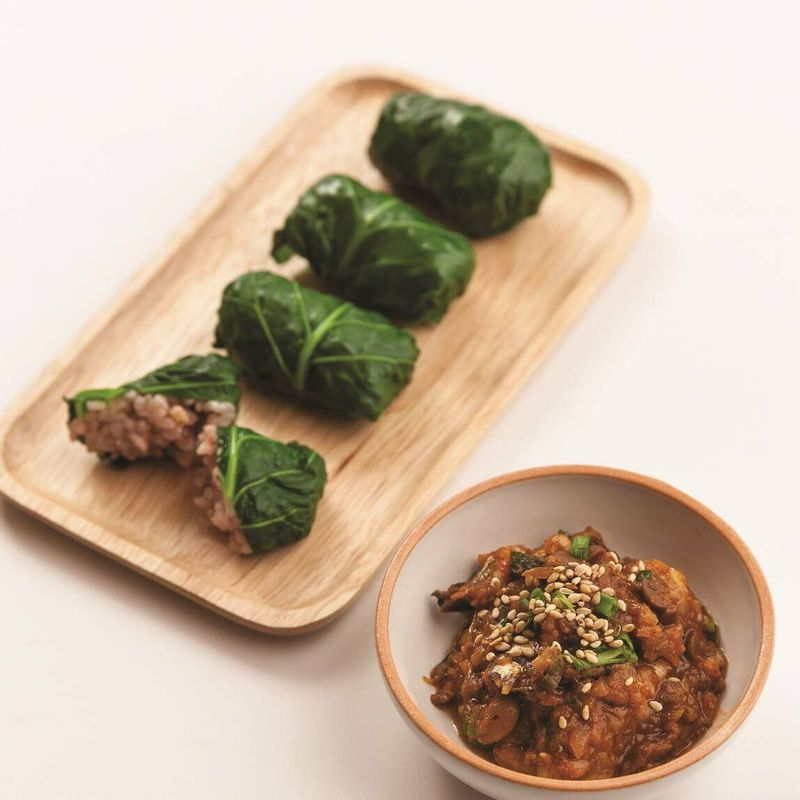
Ssamjang literally means “wrap sauce” (ssam = wrap, jang = sauce/paste). It’s the sauce you see at every Korean BBQ restaurant — the thick, reddish-brown paste that you spread on a lettuce leaf before adding rice, meat, and whatever else you want in your wrap.
What it tastes like: Savory, salty, fermented, with a deep umami from the doenjang base. It’s usually milder than straight gochujang, with a complex fermented flavor that’s more about depth than heat.
Texture: Thick, spoonable paste. Not pourable.
How I use it:
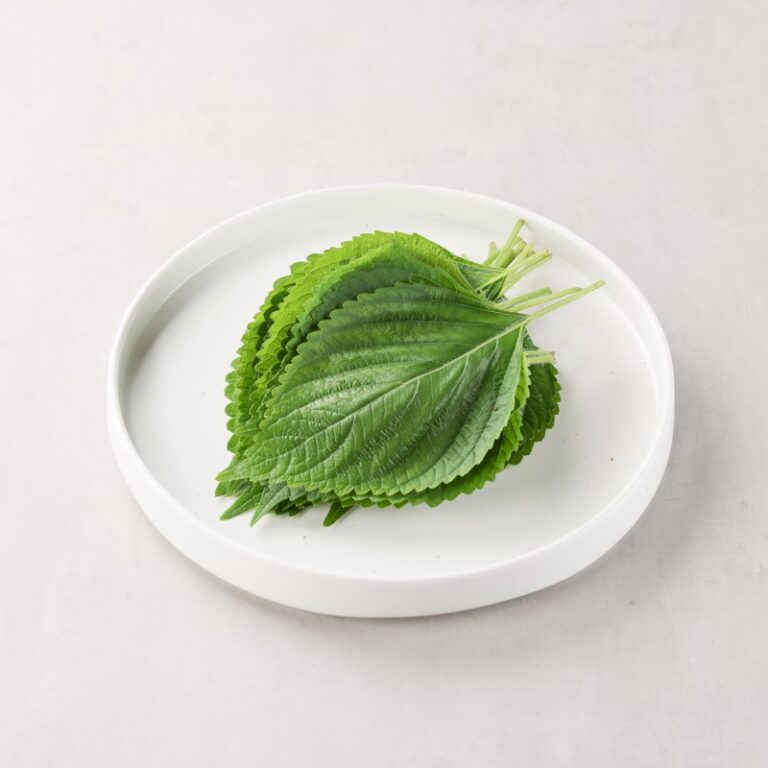
– Spread on lettuce or perilla leaves for ssam (wraps)
– As a dip for raw vegetables (cucumber, carrot, radish)
– Over rice with a fried egg and some sesame oil
– Mixed into grilled mushrooms or tofu
What to check on the label:
– Soy and wheat: Most ssamjang contains both (from the doenjang and gochujang)
– Sesame: Common ingredient
– Heat level: Usually mild, but some brands are spicier than others
– Sweeteners: Some brands add sugar or corn syrup; others are more savory
My kitchen staple: I always have a tub of ssamjang in my fridge. It’s the sauce I reach for most often because it’s so versatile — wraps, dips, rice bowls, even stirred into soups for extra depth.
Chojang: The Tangy Chili-Vinegar Sauce
Chojang is gochujang mixed with vinegar and sweetener. The result is a sauce that’s simultaneously tangy, sweet, savory, and spicy — a completely different flavor profile from ssamjang.
What it tastes like: Bright, tangy, sweet-heat. The vinegar cuts through the gochujang’s fermented depth and adds a sharp, clean note that ssamjang doesn’t have.
Texture: Smoother and more pourable than ssamjang. Still thick, but not paste-like.
How I use it:
– Dipping sauce for raw seafood (sashimi, raw oysters)
– Over blanched or raw vegetables
– As a salad dressing for Korean-style salads
– With grilled seafood or chicken
What to check on the label:
– Vinegar type: Rice vinegar is most common, but some products use other types
– Sweeteners: Sugar, corn syrup, or fruit concentrate
– Heat level: Varies by brand
– Allergens: Usually contains soy (from gochujang); check for other allergens
When I reach for chojang instead of ssamjang: When the dish needs brightness and tang. Seafood, salads, and light vegetable dishes get chojang. Hearty wraps and grilled foods get ssamjang.
Bibimbap Sauce: The Rice Bowl Sauce
Bibimbap sauce is gochujang-based, usually seasoned with sesame oil, sweetener, and sometimes vinegar or garlic. It’s designed specifically for mixing into rice bowls.
What it tastes like: Spicy, sweet, fermented, savory. The sesame oil gives it a nutty undertone that distinguishes it from straight gochujang.
Texture: Thicker than chojang, thinner than ssamjang. Spoonable but not paste-like.
How I use it:
– Bibimbap (obviously) — mixed into a bowl of rice, vegetables, protein, and a fried egg
– Grain bowls and rice bowls of all kinds
– Over roasted or steamed vegetables
– As a quick sauce for tofu or chicken
Important distinction: Some products labeled “gochujang sauce” are plain gochujang, not bibimbap sauce. Bibimbap sauce is already seasoned and ready to use; plain gochujang needs to be mixed with other ingredients. Check the label to know which one you’re buying.
What to check on the label:
– Is it ready-to-use or does it need mixing? This matters.
– Sesame oil content: Some brands include it; others don’t
– Sweeteners and heat level: Varies by brand
– Dietary claims: Don’t assume it’s vegan or gluten-free without checking the current label
How to Choose the Right Sauce
Here’s my quick decision framework when I’m standing in the aisle:
| If you’re making… | Get this | Why |
|---|---|---|
| Lettuce wraps or grilled meat ssam | Ssamjang | It’s literally designed for wraps |
| Raw seafood, salads, or light vegetable dishes | Chojang | The tang and brightness complement lighter foods |
| Bibimbap or rice bowls | Bibimbap sauce | Already seasoned for mixing into rice |
| Not sure yet | Ssamjang | Most versatile of the three; works in many applications |
Where to Buy Korean Dipping Sauces
Korean grocery stores: Best selection. Multiple brands and sizes of all three sauces, usually in the condiment aisle alongside gochujang and doenjang.
Asian supermarkets: Korean sauces are usually in the Korean section. Compare labels carefully — some products in the general Asian condiment aisle look similar but are different products from other cuisines.
Online retailers: Useful for comparing ingredients, sizes, and shipping options. Check current product information before ordering.
Large online marketplaces: Verify the exact product and seller before ordering. Marketplace listings sometimes show generic photos that don’t match what arrives.
For related shopping guidance, see the Where to Buy Korean Gochujang guide, the Korean Doenjang Guide, and the Where to Buy hub.
Frequently Asked Questions
Is ssamjang the same as gochujang?
No. Ssamjang is a seasoned mixture that usually includes both doenjang (fermented soybean paste) and gochujang (fermented chili paste), plus other seasonings. It’s thicker, more complex, and usually milder than plain gochujang. You cannot substitute one for the other without changing the dish significantly.
Is chojang always spicy?
Heat varies by product. The vinegar and sweetener in chojang can make it taste different from plain gochujang — sometimes milder, sometimes just different. Check the current label if you prefer mild heat.
Can I use bibimbap sauce as a marinade?
Some products may work in a marinade, but it depends on their ingredients and saltiness. Follow the product guidance and adjust a recipe gradually. Bibimbap sauce is designed as a finishing sauce for rice bowls, not as a marinade, so the salt and sugar levels may not be right for marinating.
What if I can only buy one?
Ssamjang is the most versatile. It works for wraps, dips, rice bowls, and even as a flavor booster in soups and stews. If you’re only going to buy one Korean dipping sauce, make it ssamjang.
Product ingredients, heat levels, availability, prices, and retailer policies can change. I write these guides based on what I find when I’m shopping and cooking, but always check the current package label and retailer information before purchasing.
🛒 Stock Your Korean Pantry
- Ssamjang (dipping paste) — the BBQ wrap essential → View on Amazon
- Gochujang (Korean chili paste) — the backbone of Korean cooking → View on Amazon
- Seasoned seaweed snacks (gim) — crispy, salty, dangerously addictive → View on Amazon
This post contains affiliate links. As an Amazon Associate, I earn from qualifying purchases.