There’s a smell that means “home” to me, and it’s not what you’d expect.
Learn more: doenjang | fermentation
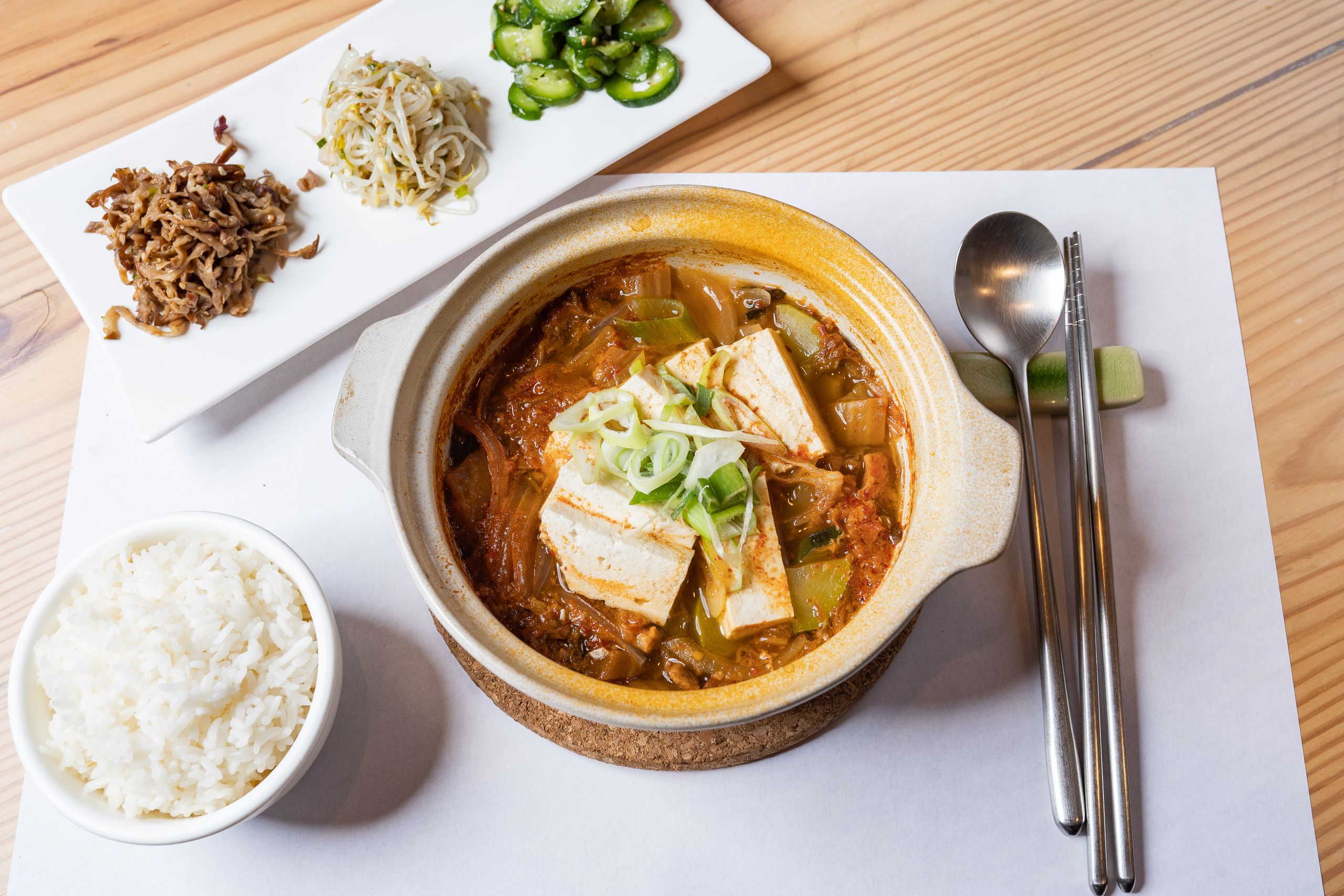
It’s not fresh-baked bread or cinnamon or any of those cozy Western-kitchen smells. It’s the deep, funky, almost aggressive aroma of doenjang simmering on the stove. Fermented soybean paste, bubbling away with zucchini, tofu, and a handful of greens, filling the entire apartment with something that smells — and I say this with love — kind of like a barnyard that went to culinary school.
My American husband, the first time I made doenjang-jjigae in our apartment, opened every window in the house. It was November. In Washington.
He now asks for it at breakfast.
If you’ve never cooked with doenjang before, this guide is going to change your kitchen. Not in a “here’s another trendy ingredient” way — in a “you’ll keep a tub of this in your fridge for the rest of your life” way.
What Is Doenjang, Really?
Doenjang (된장) is Korean fermented soybean paste. It’s thick, savory, earthy, salty, and deeply umami — the kind of ingredient that makes you go “what IS that?” in the best possible way.
Koreans have been making doenjang for well over a thousand years. Traditionally, families would make meju (fermented soybean blocks) in late autumn, hang them from the rafters to dry and ferment through winter, then soak them in brine in spring to produce both doenjang (the paste) and ganjang (soy sauce). My grandmother did this every year. I still remember the smell of the meju blocks hanging in the corner of her kitchen, wrapped in straw, slowly doing their magic.
These days, most of us buy it in tubs from the store. But the depth of flavor that comes from proper fermentation is still there — and it’s still the backbone of Korean home cooking.
Doenjang vs. Miso: What’s Actually Different?
People always ask me this, and I get it — they look similar. Both are fermented soybean pastes, both come in tubs, both are used in soups. But they are genuinely different ingredients.
| Doenjang (Korean) | Miso (Japanese) | |
|---|---|---|
| Main ingredients | Fermented soybeans, salt, sometimes grains | Fermented soybeans, salt, rice or barley koji |
| Flavor | Earthier, saltier, more pungent, sometimes funky | Smoother, milder, often sweeter |
| Texture | Can be chunky with whole soybean pieces | Usually smooth and uniform |
| Color | Deep brown, sometimes greyish | Ranges from white to dark brown |
| Common uses | Stews, soups, dipping sauces, marinades, vegetable dishes | Soups, glazes, dressings, sauces |
| Fermentation | Often longer, more aggressive | Varies, but often shorter and more controlled |
Here’s my practical take: if a recipe calls for doenjang and you only have miso, you can use it — but add a pinch more salt and expect a milder result. If a recipe calls for miso and you only have doenjang, use less and be prepared for a stronger, earthier flavor. They’re cousins, not twins.
How I Use Doenjang in Western Cooking
This is where it gets fun. Doenjang isn’t just for Korean food — it’s a umami bomb that works in all kinds of dishes. Here’s what I actually make in my kitchen:
1. Secret Ingredient in Beef Stew
I add a tablespoon of doenjang to my beef stew. Just one. My husband’s friends always ask what my “secret ingredient” is, and I’ve never told a single one of them. (Hi, Dave. It’s doenjang.)
2. Tomato Sauce Depth
A small spoonful of doenjang in a long-simmered tomato sauce adds the kind of body and savoriness that normally requires hours of reduction. Stir it in early so it has time to melt into the sauce.
3. Mashed Potatoes
This sounds weird until you try it. Mix a small amount of doenjang into warm cream before adding it to your mashed potatoes. The result is the most savory, complex, “what IS this and why can’t I stop eating it” mashed potatoes you’ve ever had.
4. Salad Dressings
Blend doenjang with olive oil, rice vinegar, a touch of honey, and a bit of Dijon mustard. This dressing is spectacular on roasted vegetables, grain bowls, and hearty greens. I make a big batch every Sunday.
5. Marinades for Meat and Tofu
Mix doenjang with soy sauce, garlic, and a little brown sugar. Marinate chicken thighs, beef, mushrooms, or firm tofu. The fermentation in the doenjang helps tenderize and adds incredible depth.
6. Quick Rice Bowls
Top hot rice with a small spoonful of doenjang, a drizzle of sesame oil, sliced scallions, and whatever vegetables you have. Add a fried egg if you’re feeling fancy. This is actual Korean home cooking — not fancy, just perfect.
Doenjang Brands: What I Actually Buy
I’ve been buying doenjang in three different countries for over a decade, and here’s what I’ve found on shelves in the US and UK:
| Brand | What I look for on the label | Best for |
|---|---|---|
| CJ / Haechandle | Heat level, chunkiness, whether it’s “재래식” (traditional style) | Everyday stews, marinades |
| Chung Jung One (청정원) | Salt content, fermentation style, texture | Versatile — good all-rounder |
| Sempio (샘표) | Ingredient list, smoothness, whether it’s specifically for soups | Sauces, dressings, lighter dishes |
| Other regional brands | Country of manufacture, ingredient simplicity, texture | Worth trying if you find them — often excellent |
My personal pick for beginners: Start with a CJ Haechandle doenjang in the smaller tub. It’s widely available, the flavor is consistent, and it’s versatile enough for both Korean stews and Western cooking experiments.
If you want traditional-style: Look for the words “재래식” or “traditional” on the label. These tend to be chunkier, earthier, and more pungent — closer to what my grandmother made. They’re incredible in stews but might be intense for your first time.
What to Check on the Label
Not all doenjang is created equal. Here’s what I actually look at before buying:
- Ingredients first: Soybeans, water, and salt should be near the top. Some brands add wheat flour, corn syrup, or MSG — none of which are inherently bad, but they change the flavor.
- Wheat or barley: If you need to avoid gluten, check the allergen statement. Traditional doenjang is often just soybeans and salt, but commercial products frequently include grains.
- Texture: Smooth versions are easier for sauces and dressings. Chunky traditional-style is better for stews where you want those little soybean pieces.
- Salt level: This varies significantly between brands. When you switch brands, always start with less than you think you need and adjust.
- Storage: Most doenjang needs refrigeration after opening. I keep mine in the back of the fridge where the temperature is most stable.
Where to Buy Doenjang
Korean grocery stores: Best selection, hands down. They’ll usually have 5-10 brands in different sizes and styles. If you can get to one, start there.
Asian supermarkets (H Mart, 99 Ranch, etc.): The Korean aisle usually has a solid doenjang selection. Compare brands and sizes in person — this is an ingredient where texture and smell matter, and being able to read the Korean label helps.
Mainstream supermarkets: Some larger stores now carry doenjang, but the selection is usually limited to one or two brands. Fine in a pinch, but not where you’ll find the interesting stuff.
Online retailers: Check seller ratings, product images, ingredient lists, and shipping policies. Doenjang is heavy, so shipping costs can add up for larger tubs.
For a full guide to where I shop for Korean ingredients, see my Where to Buy page.
Storage: How to Keep It Fresh
Doenjang is fermented, so it’s naturally preserved — but it still needs proper care:
- Refrigerate after opening. Always.
- Press the surface flat before closing the lid. This minimizes air exposure and prevents the top from drying out and darkening.
- Use a clean spoon every time. Don’t double-dip. Introducing new bacteria to a fermented product can cause off-flavors.
- It will darken over time. This is normal. As long as there’s no mold (actual fuzzy mold, not just darkening), it’s fine to eat.
- It lasts months. A tub of doenjang will easily last 6-12 months in the fridge. Mine rarely lasts that long because I cook with it constantly.
Frequently Asked Questions
Is doenjang the same as miso?
No. They’re both fermented soybean pastes, but doenjang is earthier, saltier, and more pungent than most miso. You can substitute one for the other in a pinch, but the flavor will be different. See my comparison table above for the full breakdown.
Is doenjang spicy?
No, doenjang itself isn’t spicy. It’s savory, salty, and deeply umami. The “spicy” Korean stews you might be thinking of usually get their heat from gochujang or gochugaru added alongside the doenjang.
Is doenjang gluten-free?
It depends on the brand. Traditional doenjang is made with just soybeans and salt, but many commercial products include wheat flour or barley. Always check the current allergen statement on the package — don’t assume based on the brand name alone.
How do I know if my doenjang has gone bad?
Doenjang darkens and intensifies in flavor over time — this is normal, not spoilage. Actual spoilage signs include fuzzy mold (not just darkening), a sharp ammonia smell (beyond the normal funky fermented smell), or visible liquid separation that doesn’t mix back in. When in doubt, throw it out — a new tub is cheaper than food poisoning.
Can I use doenjang instead of soy sauce?
Not directly — they have completely different textures and salt levels. But you can use doenjang to add depth to dishes where you’d normally reach for soy sauce. Think of it as soy sauce’s more intense, more complex older sibling.
Product ingredients, allergens, availability, prices, and retailer policies can change. I write these guides based on what I find when I’m shopping and cooking, but always check the current package label and retailer information before purchasing.
🛒 Stock Your Korean Pantry
- Gochujang (Korean chili paste) — the backbone of Korean cooking → View on Amazon
- Seasoned seaweed snacks (gim) — crispy, salty, dangerously addictive → View on Amazon
- Jongga kimchi — a reliable store-bought classic → View on Amazon
This post contains affiliate links. As an Amazon Associate, I earn from qualifying purchases.