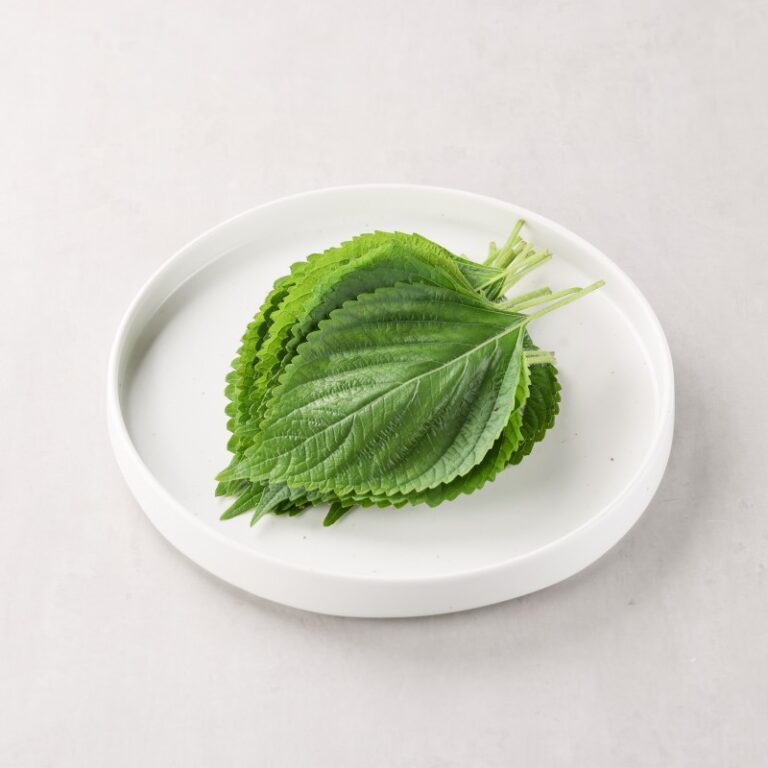
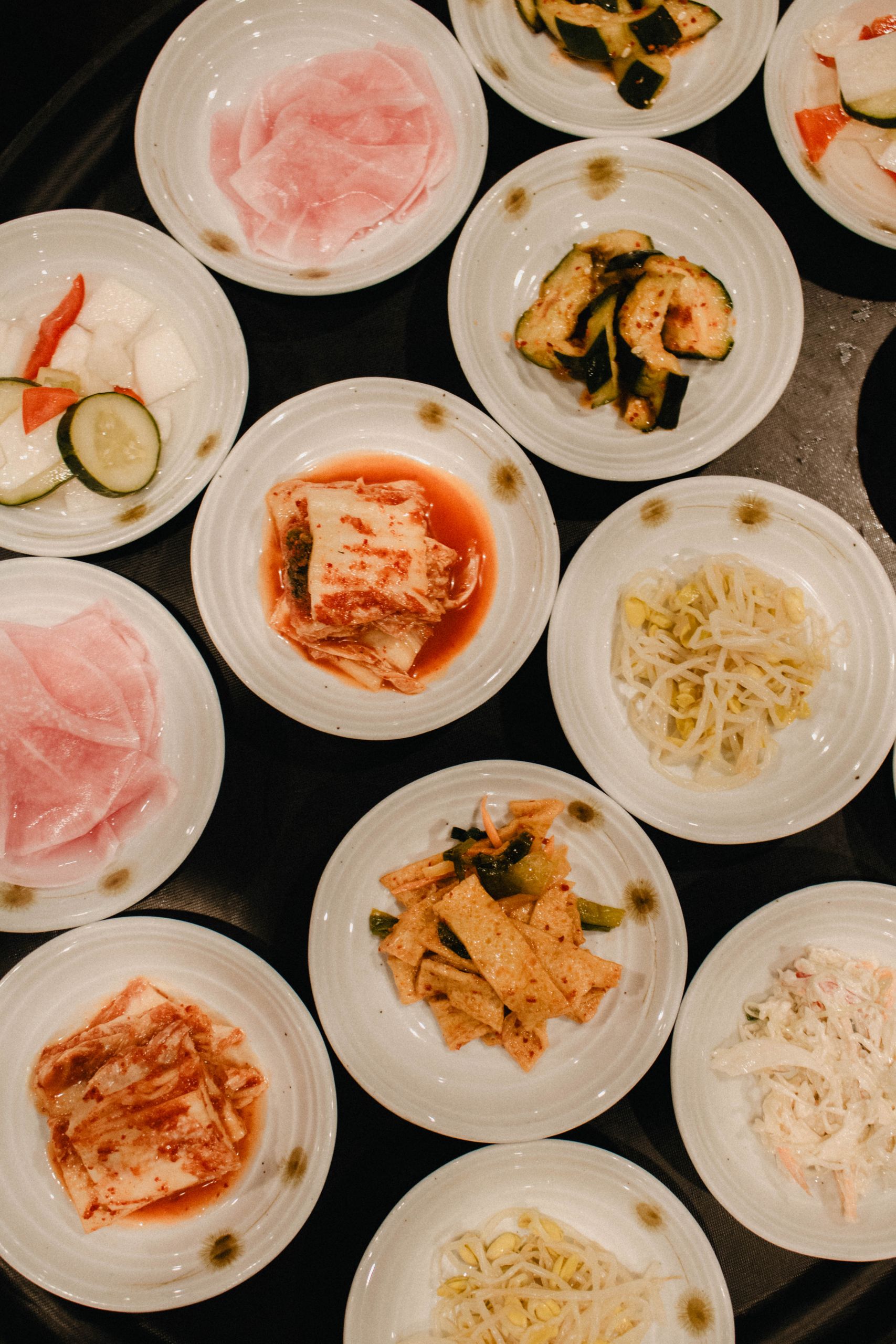
Banchan are Korean side dishes served alongside rice and main dishes. They can include fermented vegetables, seasoned greens, braised foods, stir-fries, pancakes, and pickled items. Because banchan recipes use different ingredients and preparation methods, they do not all store or freeze in the same way.
This guide offers general storage and freezing considerations for Korean side dishes. For food safety, always follow the current package instructions, tested recipe guidance, and local food-safety recommendations. Storage time depends on ingredients, preparation, temperature, and handling.
Food-safety note: This guide cannot set a safe storage time for every homemade or store-bought banchan. Refrigerate and freeze foods promptly as appropriate, keep them covered, and discard items with damaged packaging, mold, unusual odor, or other signs of spoilage.
Banchan Types and Storage Considerations
| Banchan type | Examples | Storage consideration |
|---|---|---|
| Fermented vegetables | Kimchi, kkakdugi | Follow product or recipe fermentation and refrigeration guidance |
| Seasoned greens | Spinach namul, bean sprouts | Delicate texture; refrigerate promptly and use according to recipe guidance |
| Braised dishes | Potato jorim, lotus root jorim | Cool and store in covered containers according to food-safety guidance |
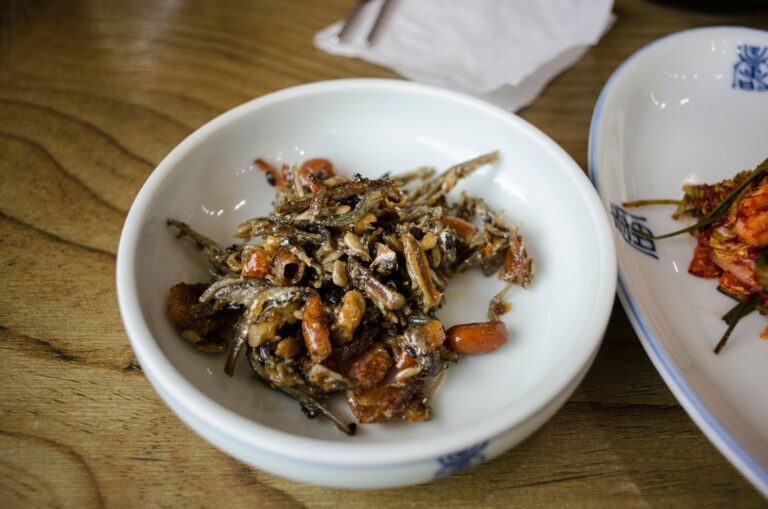
| Stir-fried dishes | Myeolchi bokkeum, vegetable bokkeum | Ingredients and moisture level affect storage and freezing results |
| Pancakes | Jeon | Texture may change after refrigeration or freezing; reheat according to recipe guidance |
| Fresh salads | Cucumber muchim, fresh vegetable dishes | Usually best prepared close to serving because crispness declines |
How to Store Banchan in the Refrigerator
- Use clean, food-safe containers with secure lids.
- Keep different banchan in separate containers to avoid flavor transfer and make date labeling easier.
- Cool cooked food safely according to local food-safety guidance before refrigerating.
- Label homemade containers with the preparation date and ingredients when helpful.
- Follow the storage instructions for store-bought banchan, especially after opening.
- Use clean utensils when serving to help avoid introducing contaminants.
Freezing Banchan: What to Consider
Freezing can be useful for some cooked side dishes, but it can change texture. High-water vegetables, fresh salads, and some pickled foods may become softer after freezing and thawing. Use recipe-specific guidance when possible.
| Question | What to consider |
|---|---|
| Is the dish cooked? | Cooked braises and pancakes may freeze differently from fresh salads or raw vegetables. |
| Does it contain high-water vegetables? | Cucumber, sprouts, and leafy vegetables can lose texture after freezing. |
| Is it fermented or pickled? | Check a tested recipe or product guidance; freezing can change texture and fermentation behavior. |
| How will it be reheated? | Choose a method appropriate for the recipe and ensure food is reheated safely. |
| Is it portioned? | Small portions can be more convenient and reduce repeated thawing. |
Containers and Organization
- Refrigerator containers: Choose food-safe containers with lids that fit your refrigerator space.
- Freezer containers: Use containers or bags designed for freezing and leave room if food may expand.
- Labels: Mark the contents and date to make it easier to use foods in a planned order.
- Portions: Store a meal-sized or serving-sized amount when possible.
- Odor management: Use well-sealed containers for strong-smelling ingredients such as kimchi or garlic-heavy dishes.
Reheating and Serving
- Follow recipe or package guidance for reheating.
- Heat cooked foods thoroughly when the recipe calls for reheating.
- Serve fresh salads and cold banchan as directed by the recipe or package.
- Avoid repeatedly warming and cooling the same portion; serve a smaller amount when practical.
- When in doubt about food quality or safety, discard the item rather than tasting to test it.
Frequently Asked Questions
Can all banchan be frozen?
No. Some dishes may become watery or soft after freezing. Check a tested recipe or product guidance, especially for fresh vegetables, pickles, and fermented foods.
Should kimchi be frozen?
Texture and flavor can change with freezing. Follow the product or recipe guidance for the exact kimchi and consider using refrigeration when that is recommended.
How do I know whether banchan is still safe to eat?
Follow package or tested-recipe storage guidance. Discard food with damaged packaging, mold, unusual odor, or other signs of spoilage, and use local food-safety guidance for further questions.
Last checked: Storage and food-safety guidance can vary by ingredients and preparation method. Follow current package, recipe, and local food-safety information.
🛒 Keep Banchan Fresh
- Glass banchan containers — stack your fridge like a Korean mom → View on Amazon
- Meal prep containers — freeze banchan without waste → View on Amazon
- Jongga kimchi — a reliable store-bought classic → View on Amazon
This post contains affiliate links. As an Amazon Associate, I earn from qualifying purchases.