If you’ve ever admired the chewy, pillowy texture of Korean rice cakes (tteok) and wondered, “Are these gluten-free?”—you’re not alone. After moving to Chicago and introducing Korean snacks to my American neighbors, I quickly discovered that gluten intolerance is much more common here than it is back in Korea. Many friends and parents at my kids’ school asked me about gluten in tteok, especially when I’d bring homemade ones to potlucks. So, let’s clear up the confusion and help you enjoy these treats with confidence, whether you’re shopping in the US or UK.
What Are Korean Rice Cakes (Tteok)?
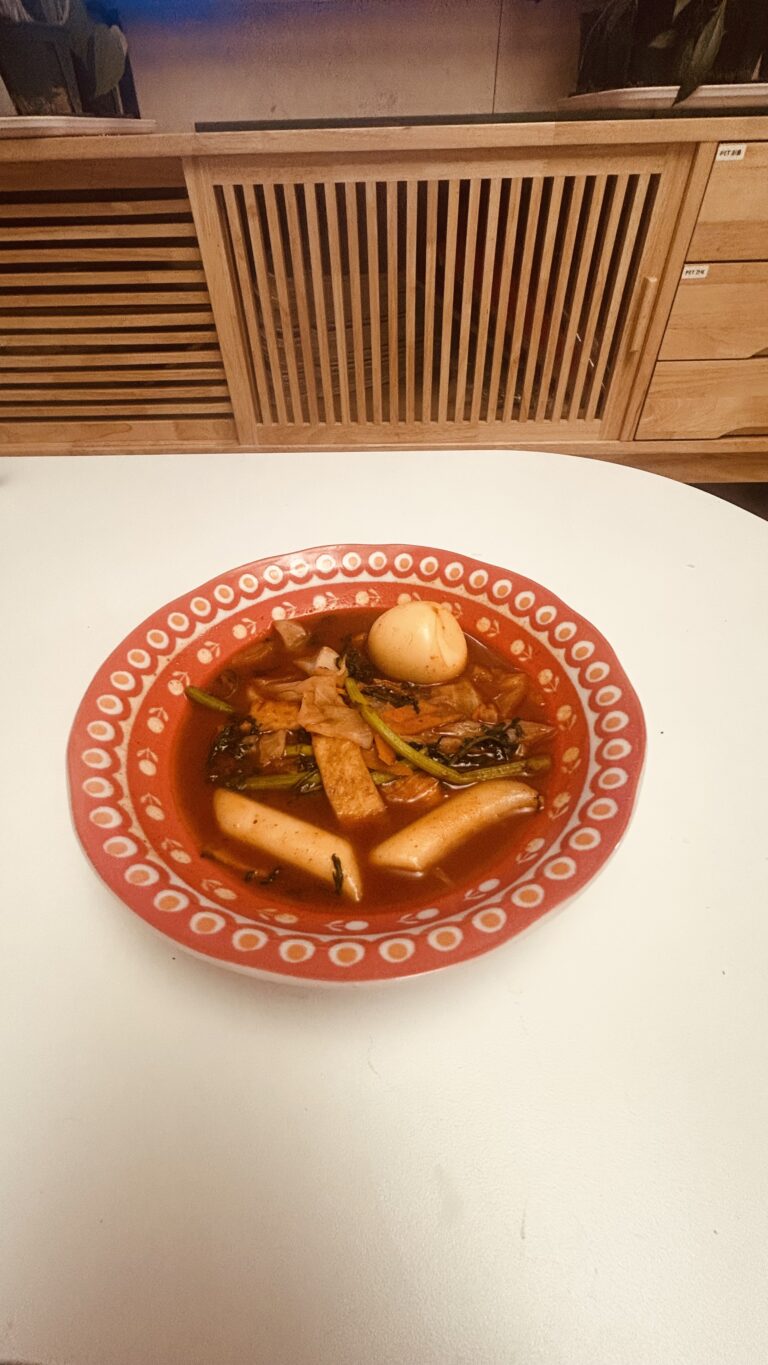
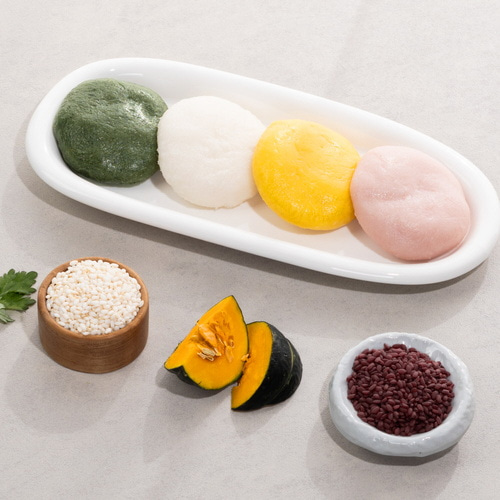
Tteok (pronounced “tuhk”) are traditional Korean rice cakes that come in dozens of shapes, sizes, and flavors. They’re not sweet “cakes” like a birthday cake, but rather chewy snacks or sides made mostly from rice or glutinous rice flour. Tteok can be steamed, pounded, boiled, or fried. Some are filled with sweetened red bean paste, while others are plain and served with savory dishes, like tteokguk (rice cake soup) or spicy tteokbokki.
My first real memory of tteok was sharing songpyeon (half-moon rice cakes) with my family during Chuseok. In Chicago, I had to hunt down the right rice flour at H-Mart for my first homemade batch, which was a bit of a challenge! Every holiday, I still make tteok for my family—and now, for my gluten-free friends too.
Are Korean Rice Cakes Gluten-Free? Key Ingredients
Most traditional Korean rice cakes are naturally gluten-free because they’re made from rice or glutinous rice (also called “sweet rice”), not wheat. The main types of flour used are:
- Ssalgaru (쌀가루): Regular rice flour
- Chapssalgaru (찹쌀가루): Glutinous/sweet rice flour (despite the name, “glutinous” refers to texture, not gluten content!)
There are, however, some exceptions and things to watch out for—especially with processed or packaged tteok sold outside Korea. Sometimes, wheat flour or barley malt may be added for texture or flavor, and cross-contamination in manufacturing is possible.
| Tteok Type | Main Ingredient | Traditional Recipe Gluten-Free? |
|---|---|---|
| Garaetteok (for tteokguk, tteokbokki) | Rice or glutinous rice flour | Yes |
| Baekseolgi (steamed white tteok) | Rice flour | Yes |
| Songpyeon (half-moon tteok) | Rice flour + fillings | Yes (check fillings) |
| Jeolpyeon (patterned tteok) | Rice flour | Yes |
| Yaksik (sweet nut tteok) | Glutinous rice, jujube, nuts | Yes (check soy sauce) |
| Certain market snacks | Varies, may include wheat starch/flour | Check label |
What US and UK Shoppers Should Know
Here’s where things can get tricky. In Korea, tteok from a traditional shop is nearly always gluten-free. But in US and UK supermarkets—especially with imported or mass-produced brands—there’s always a risk of gluten due to added wheat ingredients or shared processing equipment.
Reading Labels and Allergen Warnings
Always read the ingredient list and allergen warnings. Look for phrases like “may contain wheat” or “produced in a facility that also processes wheat.” Some brands clearly mark “gluten-free” on the packaging, which makes life much easier.
When I first bought tteok at H-Mart in Chicago, I was surprised that some packages listed “wheat starch” in the ingredients. I called my mom in Korea, and even she was shocked! So, even if you’re familiar with a type of tteok, always check labels outside Korea.
Homemade vs. Store-Bought Tteok
If you want to be 100% sure your tteok is gluten-free, making it at home is your safest bet. All you need is certified gluten-free rice flour and a steamer. But for those who love convenience, here are some popular gluten-free brands available in the US and UK markets:
- O’Food (CJ CheilJedang) Tteokbokki Rice Cakes – labeled gluten-free
- Some Sekero Korean Sliced Rice Cakes (check package)
- See more tips in my guide to Korean gluten-free snacks
Cross-Contamination and Hidden Gluten Sources
Even if rice cakes are made with only rice, cross-contamination can happen if they’re processed on the same equipment as wheat-based foods. Certain fillings or sauces (like some soy sauces) can also contain gluten.
My husband is gluten-sensitive, so when we visit Korean bakeries or snack shops in Chicago, I always double-check with the staff. Once, we almost bought tteok with a barley malt syrup glaze—which isn’t safe for celiacs. When in doubt, ask or skip questionable varieties.
How to Enjoy Tteok Gluten-Free: Practical Tips
- Buy from trusted brands: Look for clearly labeled gluten-free tteok at Korean grocers or health food stores.
- Ask questions: Don’t be shy about calling the store or emailing the manufacturer.
- Make it at home: It’s much easier than you think, especially with rice flour from Amazon or Asian groceries. Try making garaetteok or baekseolgi for a fun family project.
- Watch the sauces: Tteokbokki sauce often contains gochujang and soy sauce. Choose gluten-free gochujang and tamari-based soy sauce (see my picks in this soy sauce comparison).
- Store safely: If you’re gluten-sensitive, keep rice cakes in a separate container at home to avoid cross-contact with wheat foods.
Fun fact: “Glutinous rice” is gluten-free! The name refers to the sticky, chewy texture, not actual gluten content.
FAQ About Korean Rice Cakes and Gluten
- Q: Are all Korean tteok gluten-free?
A: Most traditional types are, but always check labels or ask—some packaged or fusion varieties may contain wheat or barley. - Q: Can people with celiac disease eat Korean rice cakes?
A: Yes, if the ingredients are pure rice and there’s no cross-contamination. Always choose certified gluten-free brands or make your own to be safe. - Q: What sauces are safe to pair with tteok?
A: Use gluten-free soy sauce or tamari, and check your gochujang for wheat-free labeling. Many commercial gochujang brands are not gluten-free. - Q: Where can I buy gluten-free tteok in the US or UK?
A: Major Korean markets like H-Mart, some health food stores, and online retailers like Amazon or Weee! carry labeled gluten-free tteok. See more options in Where to Buy.
Join our Korean Food Discussion Forum.
For more on safe Korean snacks, see my full guide on gluten-free Korean snacks and explore Korean Food 101 for more basics. Happy (and safe) snacking!
🛒 Stock Your Korean Pantry
- Gochujang (Korean chili paste) — the backbone of Korean cooking → View on Amazon
- Seasoned seaweed snacks (gim) — crispy, salty, dangerously addictive → View on Amazon
- Jongga kimchi — a reliable store-bought classic → View on Amazon
This post contains affiliate links. As an Amazon Associate, I earn from qualifying purchases.