There was a period in my London cooking life when I had exactly two oils in my flat: a bottle of olive oil and a tiny bottle of toasted sesame oil that I’d bought at a Korean shop in New Malden and was treating like liquid gold.
Learn more: sesame oil
I used the olive oil for everything that needed heat — frying, stir-frying, roasting. And I used the sesame oil for everything Korean — drizzled over rice, mixed into dipping sauces, added to marinades. It was a simple system, and it mostly worked.
What I didn’t know then was that Korean cooking actually uses oils for fundamentally different purposes, and confusing them can change a dish in ways you won’t understand until someone explains it to you.
So here’s the explanation I wish I’d had: some Korean oils are for cooking with, and some are for finishing with. Mix them up and you’ll either burn your expensive finishing oil or serve a dish that tastes like it’s missing something you can’t quite name.
The Four Oils in Korean Cooking
| Oil | Korean name | What it does | How to use it |
|---|---|---|---|
| Toasted sesame oil | 참기름 (chamgireum) | Adds nutty aroma and flavor | Finishing oil — add at the end of cooking or in dressings/sauces |
| Perilla oil | 들기름 (deulgireum) | Adds herbaceous, complex aroma | Finishing oil — vegetables, rice, noodles, some soups |
| Neutral oil | Various (canola, sunflower, grapeseed) | Cooking medium for frying and stir-frying | High-heat cooking — frying, stir-frying, pan-frying |
| Olive oil | Various | Recipe-specific fusion cooking | Depends on the type; check heating guidance |
The critical distinction: toasted sesame oil and perilla oil are finishing oils. They’re not for frying. They’re for adding aroma and flavor at the end of cooking or in raw applications like dressings.
Toasted Sesame Oil: The Korean Pantry MVP
If there’s one Korean oil every cook should own, it’s toasted sesame oil. It’s in my fridge door right now, it’s in my mother-in-law’s pantry in Seoul, and it’s the reason my husband now recognizes “that Korean smell” from three rooms away.
What it tastes like: Deep, nutty, roasted, intensely aromatic. A little goes a very long way.
How I use it:
– A few drops over rice before adding toppings
– Mixed into namul (seasoned vegetable side dishes) at the end of cooking
– In dipping sauces (ssamjang, chojang)
– In marinades (bulgogi, galbi)
– Drizzled over soups just before serving
What to check on the label:
– Toasted vs. untoasted: Korean cooking almost always uses toasted sesame oil (dark amber color). Untoasted sesame oil is pale and has a much milder flavor — it’s a different product for different uses.
– Sesame is an allergen: Check the package if you need to avoid it.
– Storage: I keep mine in a cool, dark cupboard. Some people refrigerate it for longer freshness, but I go through bottles fast enough that cupboard storage works for me.
How much to use: Start with a few drops. Seriously. Toasted sesame oil is concentrated, and too much will overwhelm a dish. You can always add more, but you can’t take it out.
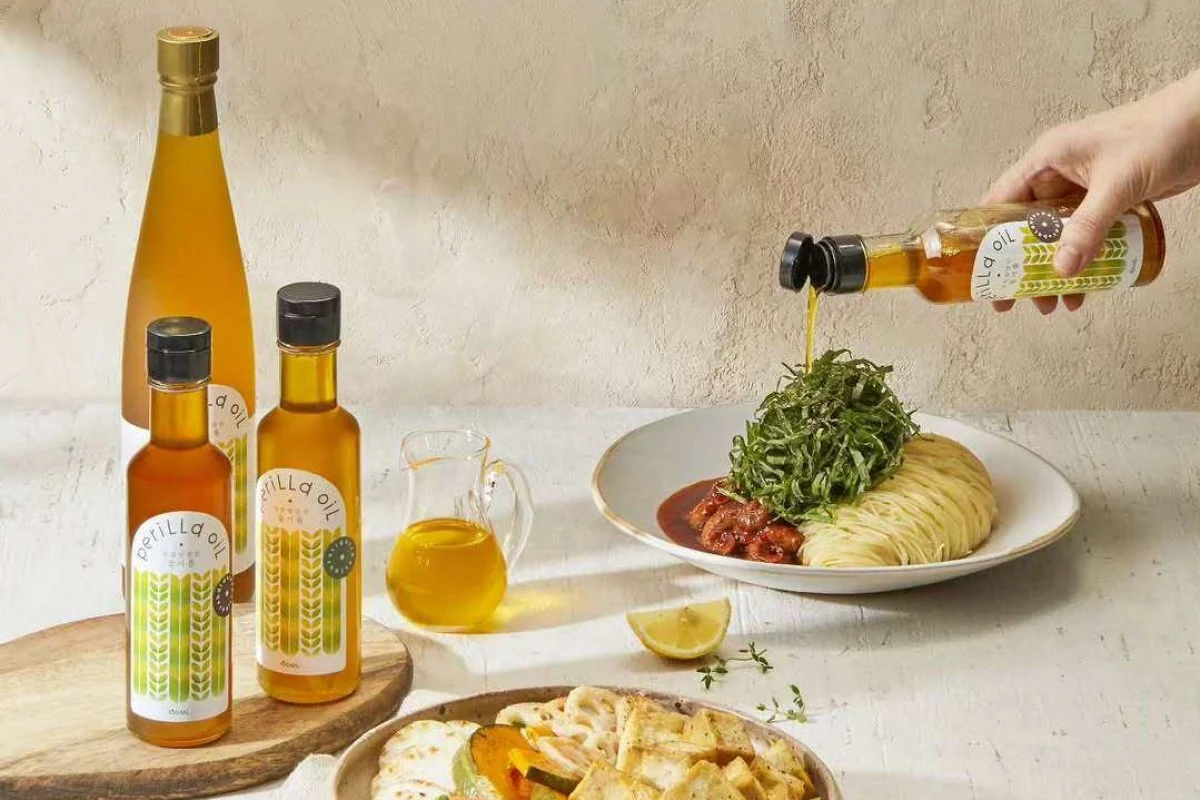
Perilla Oil: The One Most Western Cooks Don’t Know About
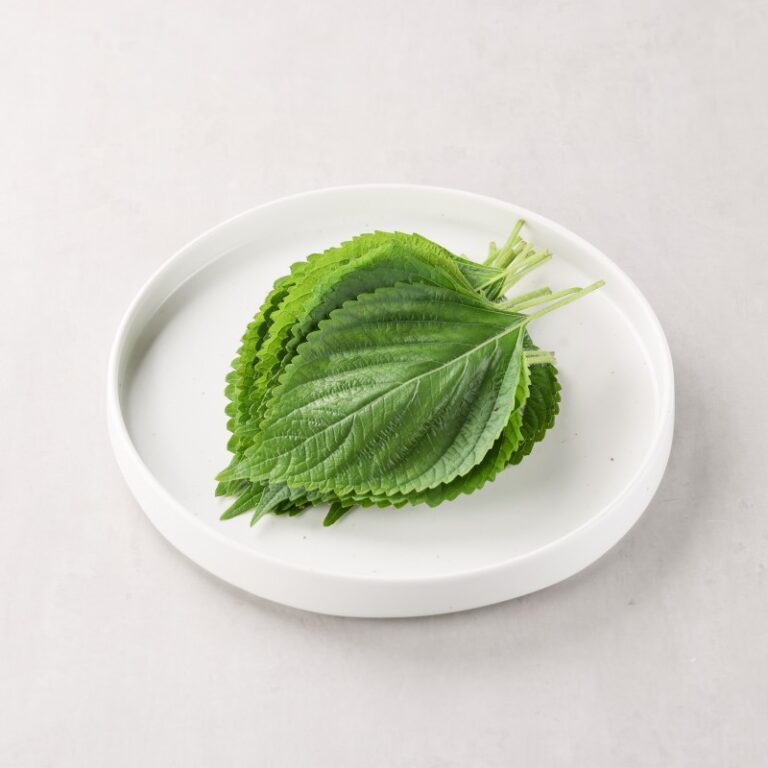
Perilla oil is one of the most underrated ingredients in Korean cooking, and I think it deserves way more attention than it gets outside Korea.
What it tastes like: Herbaceous, nutty, complex — like sesame oil’s more sophisticated cousin. It has a green, almost grassy undertone that sesame oil doesn’t have.
How I use it:
– Over namul and vegetable side dishes when I want a different flavor profile than sesame oil
– In certain noodle dishes where the herbal note complements the other ingredients
– Over rice with a fried egg (my backup “too tired to cook” dinner)
– In some soups where the recipe specifically calls for it
What to know:
– It’s NOT a substitute for sesame oil. They taste different. Some recipes allow one as a backup for the other, but the dish will change.
– It goes rancid faster than sesame oil. Buy a small bottle, keep it in the fridge, and use it within a few months of opening.
– It’s a finishing oil. Low smoke point. Don’t fry with it.
– For my full guide to perilla (leaves, seeds, powder, and oil): See the Korean Perilla Guide.
Neutral Oils: The Workhorses
For frying, stir-frying, pan-frying, and deep-frying, Korean cooks use neutral-flavored oils — the same kind you’d use for any other cuisine.
What I keep in my kitchen: Canola oil or grapeseed oil. Both are neutral, have high smoke points, and don’t add flavor to the food.
When I use them:
– Stir-frying vegetables, meat, or tofu
– Pan-frying Korean pancakes (jeon)
– Deep-frying (when I’m feeling ambitious)
– Any recipe that needs cooking oil without added flavor
What to check: Manufacturer heating guidance. Not all neutral oils have the same smoke point, so match the oil to the cooking method.
Olive Oil in Korean Cooking?
Yes, actually — but it’s a fusion thing, not a traditional thing. I sometimes use olive oil in Korean-inspired dishes that benefit from its flavor, like a Korean-Italian fusion pasta or a salad dressing that combines gochujang with olive oil and vinegar.
But for traditional Korean recipes, I stick with neutral oil for cooking and sesame or perilla oil for finishing. Olive oil’s distinct flavor can clash with the flavor profile of many Korean dishes.
How to Choose the Right Oil
| If you need… | Choose… | Why |
|---|---|---|
| A finishing aroma for rice, vegetables, or dipping sauce | Toasted sesame oil or perilla oil | These add concentrated flavor at the end |
| An oil for frying or stir-frying | Neutral oil (canola, grapeseed, sunflower) | High smoke point, no added flavor |
| A substitute for perilla oil | Sesame oil (flavor will differ) | Closest finishing oil in terms of function |
| A specific dietary requirement | Check the current allergen statement | Sesame is a major allergen; check labels |
Storage: Keeping Your Oils Fresh
Oils go rancid. This is especially true of aromatic oils like perilla and sesame. Here’s my storage system:
Toasted sesame oil:
– Cool, dark cupboard (not next to the stove, no matter how convenient)
– Use within 6 months of opening
– Smell it before using — if it smells sharp or off, it’s past its prime
Perilla oil:
– Refrigerator (it goes rancid faster than sesame oil)
– Use within 3-4 months of opening
– Small bottles are better than large ones unless you use it daily
Neutral oils:
– Cool, dark cupboard
– Check the use-by date
– Don’t use if it smells off or has an unusual odor
General rules:
– Keep bottles sealed tightly
– Protect from heat and light
– Use a clean pour spout or cap
– Check the date before using
Where to Buy Korean Cooking Oils
Korean grocery stores: Best for toasted sesame oil and perilla oil in multiple brands and sizes. You can compare labels in person.
Asian supermarkets: Often carry sesame oils from several cuisines (Korean, Chinese, Japanese). Compare toasted and untoasted products carefully — they’re different things.
Mainstream supermarkets: Toasted sesame oil is increasingly common. Perilla oil is less so. Neutral oils are everywhere.
Online retailers: Check seller details, product images, bottle size, and storage information before ordering. Oil is heavy, so shipping costs can add up.
For related guides, see the Korean Perilla Guide, Essential Korean Pantry Staples, and the Where to Buy hub.
Frequently Asked Questions
Is perilla oil the same as sesame oil?
No. They come from different seeds and have different flavors. Sesame oil is nuttier and more universally recognizable. Perilla oil is more herbaceous and complex. Some recipes allow one as a substitute for the other, but the result will taste different.
Should I use toasted sesame oil for frying?
Generally no. Toasted sesame oil is a finishing oil with a low smoke point and a concentrated flavor. Use it at the end of cooking or in raw applications. For frying and stir-frying, use a neutral oil with a higher smoke point.
How do I store Korean cooking oils?
Follow the current package instructions. As a general rule: sesame oil in a cool, dark cupboard; perilla oil in the refrigerator; neutral oils in a cool, dark cupboard. Check use-by dates and smell before using — rancid oil smells sharp and off.
What’s the one oil I should buy first?
Toasted sesame oil. It’s the most versatile and widely used Korean finishing oil, and it’ll last you months if stored properly. Perilla oil is a wonderful second purchase when you’re ready to expand.
Product ingredients, roast level, storage instructions, stock, prices, and retailer policies can change. I write these guides based on what I find when I’m shopping and cooking, but always check the current package label and retailer information before purchasing.
🛒 Stock Your Korean Pantry
- Roasted perilla oil (deulgireum) — the nutty secret of Korean cooking → View on Amazon
- Dried perilla leaves — earthy wraps and seasoning → View on Amazon
- Ssamjang (dipping paste) — the BBQ wrap essential → View on Amazon
This post contains affiliate links. As an Amazon Associate, I earn from qualifying purchases.