My little boy has two favorite snacks in the entire world. One is rice crackers. The other is Korean seaweed.
Learn more: gim
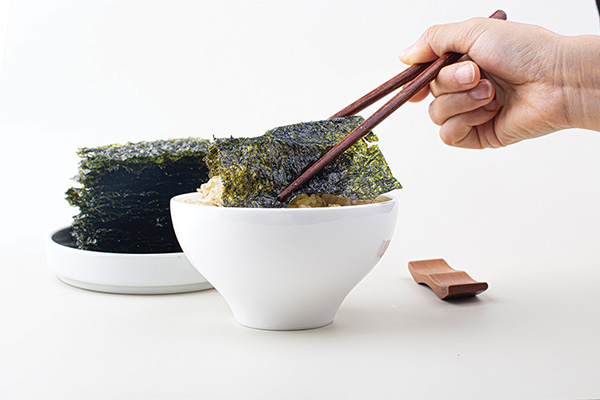
Not the plain, unseasoned seaweed sheets I use for gimbap. The roasted, salted, slightly oily snack packs that come in those little plastic trays — the ones that shatter into a million delicious shards the moment you bite into them. He calls them “crunchy ocean chips,” and I have given up correcting him.
Korean seaweed snacks are one of those products that seem simple — it’s just seaweed, right? — but the variety on store shelves is genuinely overwhelming. Different sizes, different oils, different salt levels, different flavors, different packaging formats. And that’s before you get into the question of whether you’re buying a snack or a cooking ingredient.
Here’s what I’ve learned from years of buying seaweed snacks in three countries, mostly to satisfy a small human who will absolutely notice if I bring home the wrong kind.
Types of Korean Seaweed Snacks
Not all Korean seaweed is the same. Here’s what you’re actually looking at on the shelf:
| Type | What it looks like | What it’s for | What to check |
|---|---|---|---|
| Roasted seasoned gim (small snack packs) | Small sheets or pieces, seasoned with oil and salt | Snacking, lunchboxes, rice accompaniment | Oil type, sodium, flavoring, serving size |
| Plain roasted seaweed (larger sheets) | Unseasoned or lightly seasoned full sheets | Rice, gimbap, recipes where you control the seasoning | Whether salt or oil is already added |
| Flavored seaweed snacks | Seasoned with wasabi, sesame, BBQ, kimchi, etc. | Snacking | Seasonings, allergens, sodium, added sugar |
| Gimbap seaweed sheets | Large, usually unseasoned sheets | Gimbap and other rice-roll recipes | Roasted vs. unroasted, thickness, intended use |
The most common mistake: Buying flavored snack packs thinking they’re gimbap seaweed. They’re not. Snack packs are seasoned, cut into small pieces, and meant for eating straight. Gimbap seaweed is large, usually unseasoned, and meant for wrapping rice.
What I Look for on the Label
When I’m comparing seaweed snacks — and I’ve compared a lot — here’s what actually matters:
1. Serving Size
This is where people get confused. Some products list a serving as 5g; others as 10g or even a full sheet. Compare sodium and calories using the same serving size, or the numbers will mislead you.
2. Sodium
Salt levels vary enormously between products. Plain roasted seaweed is usually lower in sodium than seasoned snack packs. Flavored varieties (wasabi, BBQ, etc.) tend to be saltier still. If you’re watching sodium, check the nutrition panel carefully.
3. Oil and Flavorings
Korean seaweed snacks are typically roasted with oil — perilla oil, sesame oil, corn oil, or canola oil. The oil type affects the flavor. Some products add extra seasonings, sweeteners, or flavorings. Read the ingredient list if you care about what’s on your seaweed.
4. Allergens
Flavored products can contain soy, sesame, wheat, shellfish, or other allergens. Plain roasted seaweed is usually just seaweed, oil, and salt — but check the label every time, because formulations change.
5. Country of Manufacture
Korean seaweed is produced in Korea, China, and sometimes other countries. The package will tell you where it was made. This matters to some people for quality or preference reasons, but it’s not the only indicator of a good product.
6. Packaging
Individual snack packs preserve crispness better than large bags. If you eat seaweed snacks frequently, larger packs are more economical but need to be sealed tightly after opening to prevent them from going soft.
How I Choose a Seaweed Snack
| If I want… | I look for… | My practical pick |
|---|---|---|
| A simple rice accompaniment | Plain or lightly seasoned sheets, low sodium | Roasted gim with a short ingredient list |
| A stronger snack flavor | Flavoring ingredients, heat level, sodium | Small pack of a flavored variety to try first |
| Seaweed for recipes (gimbap, etc.) | Plain, unseasoned, large sheets | Large gimbap seaweed sheets, not snack packs |
| A product for a specific diet | Full ingredients, allergen statement, nutrition panel | Only choose a product whose current label meets my needs |
Ways I Use Korean Seaweed Snacks at Home
Beyond just eating them straight from the pack (which is how my little boy prefers them), I use seaweed snacks in several ways:
With rice: A sheet of roasted gim wrapped around a small ball of rice is one of the simplest, most satisfying Korean snacks. My husband eats this almost every day for lunch when he’s working from home.
Crumpled over rice bowls: I crumble seasoned seaweed over bibimbap, grain bowls, and noodle dishes for texture and flavor. It’s the Korean equivalent of adding parmesan to pasta.
As a garnish: Crumbled over soups, salads, or even scrambled eggs for a savory, oceanic note.
For gimbap: Plain, unseasoned gimbap seaweed sheets are essential for making gimbap (Korean rice rolls). Snack packs don’t work for this — they’re too small and already seasoned.
In lunchboxes: Individual snack packs are perfect for lunchboxes. My little boy’s school friends all know what they are now, which makes me feel like I’m doing some kind of cultural diplomacy one seaweed pack at a time.
Storage: Keeping Seaweed Crisp
Seaweed snacks go soft and unpleasant if they’re exposed to moisture. Here’s how I keep them crisp:
- Unopened packages: Cool, dry place. The pantry is fine.
- After opening: Seal the package tightly. If it’s a large bag, I transfer the seaweed to an airtight container or zip-top bag with as much air pressed out as possible.
- Individual snack packs: These stay crisp until you open them. I buy the multi-packs with individual servings for this reason.
- Don’t refrigerate: Moisture from the fridge will make seaweed go soft. Keep it at room temperature in a dry place.
- Check the best-before date: Seaweed doesn’t spoil in the traditional sense, but it loses crispness and flavor over time.
Where to Buy Korean Seaweed Snacks
Korean grocery stores: The broadest selection — snack packs, plain gim, gimbap sheets, flavored varieties, multiple brands and sizes. This is where I do my main seaweed shopping.
Asian supermarkets: Usually carry Korean, Japanese, and sometimes other seaweed products. Compare intended use and label information — Japanese nori and Korean gim are similar but not identical products.
Mainstream grocery stores: Increasingly carry Korean seaweed snack packs, usually in the “international” or “Asian” aisle. The selection is smaller but getting better.
Online retailers and marketplaces: Compare seller details, package size, product images, shipping, and current label information before ordering. Seaweed is lightweight, so shipping costs are usually reasonable.
For more Korean pantry shopping guidance, visit the Where to Buy hub and Essential Korean Pantry Staples for Beginners.
Frequently Asked Questions
Are Korean seaweed snacks gluten-free?
Some plain products may be gluten-free, but flavored snacks can contain wheat-based seasonings or soy sauce. Always check the current package label and allergen statement — don’t assume based on the product name or appearance.
Are snack packs the same as gimbap seaweed?
No. Snack packs are seasoned, cut into small pieces, and meant for eating straight. Gimbap seaweed is sold in large, usually unseasoned sheets for wrapping rice. They’re different products for different purposes.
How do I choose a first seaweed snack?
A lightly seasoned small pack is a practical starting point. Compare ingredients, sodium, and flavoring, then try a different style if you prefer more or less seasoning. Individual snack packs let you try different brands without committing to a large purchase.
Is seaweed a healthy snack?
Seaweed snacks are food, not health products. They provide some minerals (iodine, in particular) and are relatively low in calories, but they also contain oil and salt. Nutrition values vary by product. If you need to manage sodium, iodine, or another dietary concern, use current package information and follow advice from a qualified professional.
Why does my seaweed go soft after opening?
Moisture. Seaweed is hygroscopic — it absorbs water from the air. Once a package is opened, the seaweed starts absorbing moisture and loses its crispness. Seal the package tightly after opening, or transfer to an airtight container.
Product ingredients, nutrition information, stock, prices, and retailer policies can change. I write these guides based on what I find when I’m shopping and cooking, but always check the current package label and retailer information before purchasing.
🛒 Korean Snack Box
- Seasoned seaweed snacks (gim) — crispy, salty, dangerously addictive → View on Amazon
- Roasted seaweed sheets — for gimbap and crunchy sides → View on Amazon
- Honey butter chips — the famous sweet-salty chip → View on Amazon
This post contains affiliate links. As an Amazon Associate, I earn from qualifying purchases.