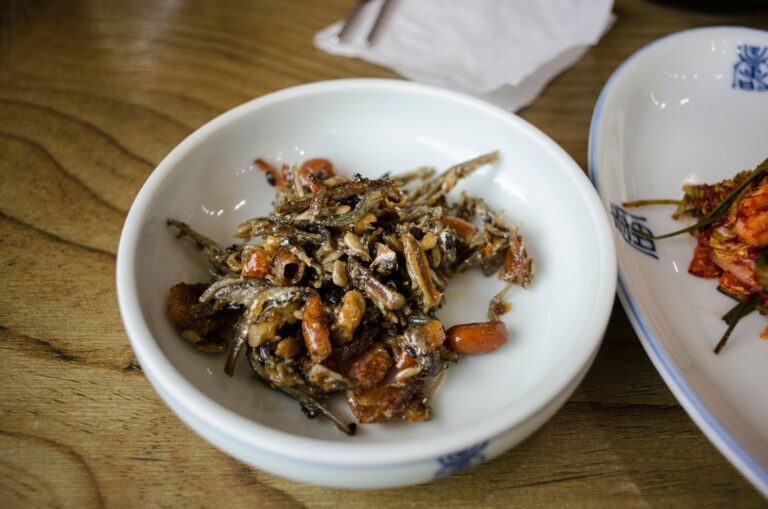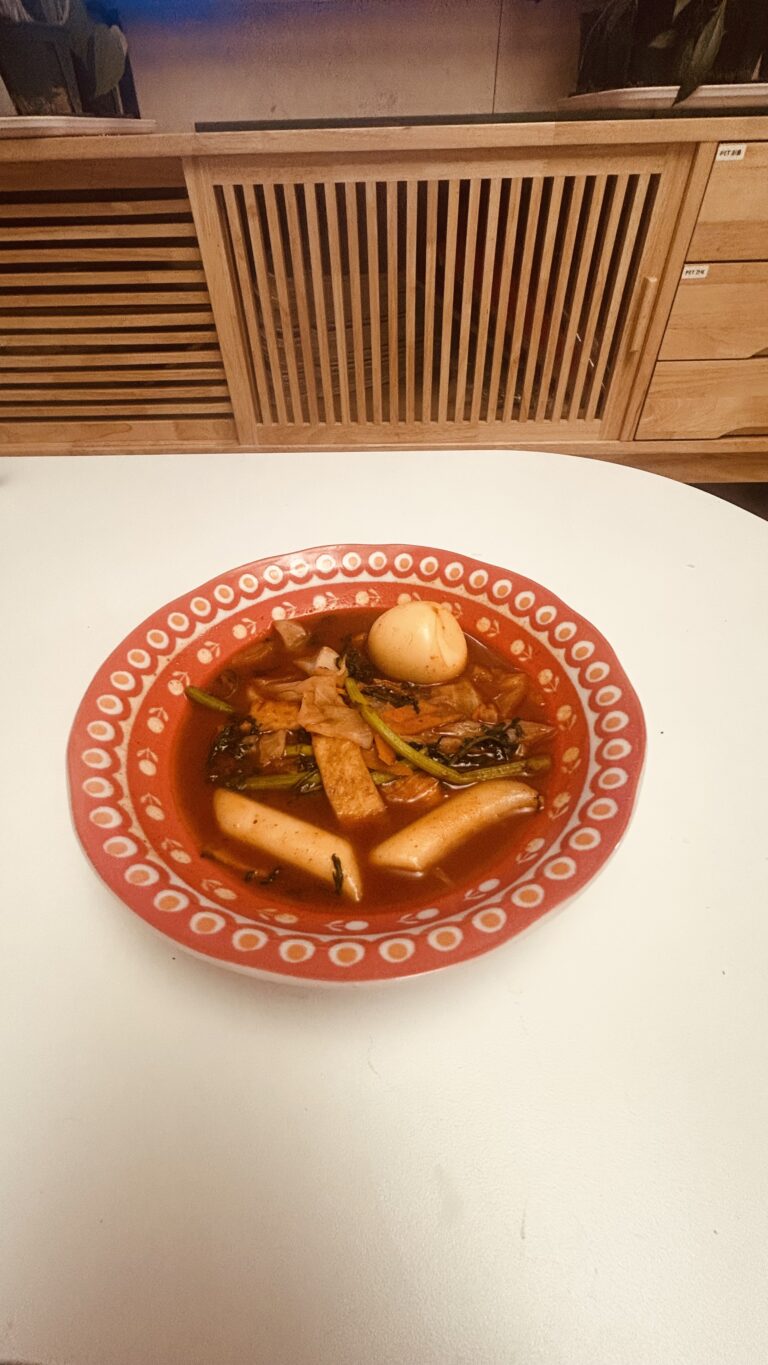

Korean pickled vegetables include fermented dishes such as kimchi and quick-pickled or soy-brined side dishes such as danmuji and jangajji. They differ in ingredients, preparation method, flavor, storage needs, and heat level. Kimchi is only one part of a much wider Korean pickling tradition.
This guide explains common Korean pickled vegetables, the role of vinegar, and what to check when buying or preparing them in the US or UK. Follow tested recipes and current package instructions for food safety, storage, and allergen information.
Common Korean Pickled Vegetables
| Dish | Typical ingredient | Preparation style | What to check |
|---|---|---|---|
| Baechu kimchi | Napa cabbage | Fermented and seasoned | Heat, fish ingredients, storage, fermentation level |
| Kkakdugi | Radish | Fermented and seasoned | Heat, ingredients, storage guidance |
| Danmuji | Yellow radish | Pickled, often sweet-tart | Sweeteners, colorings, storage, serving use |
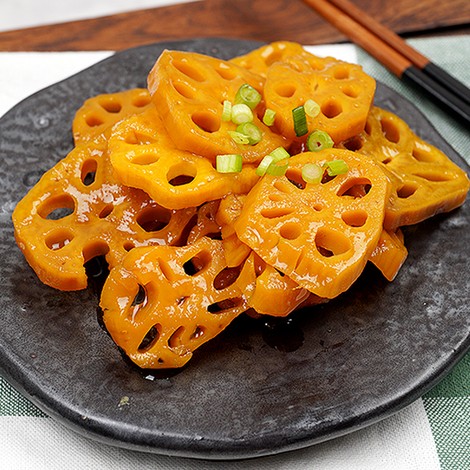
| Jangajji | Vegetables such as garlic, peppers, or cucumber | Soy sauce or vinegar-based brine | Sodium, soy, wheat, storage |
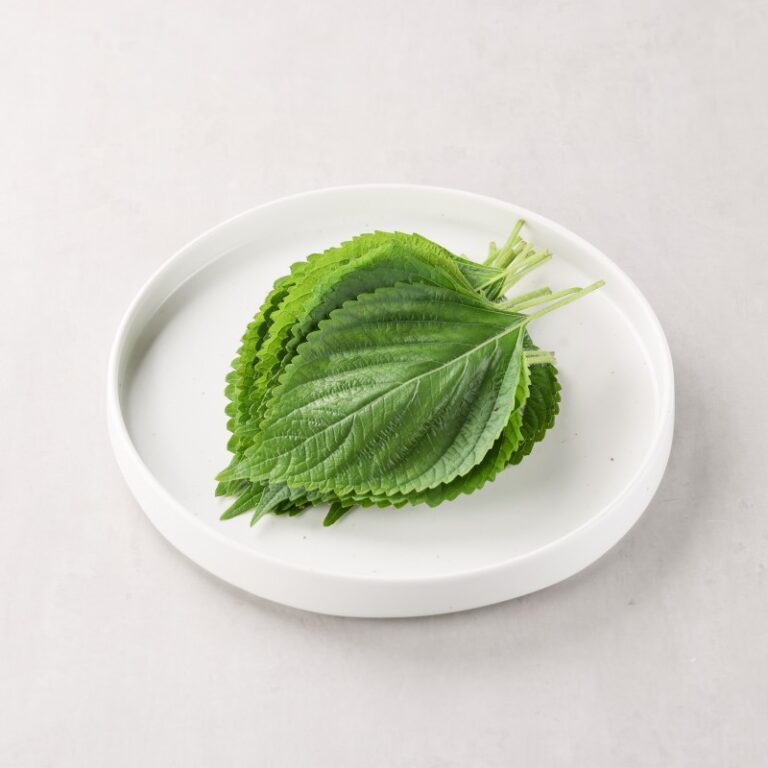
| Pickled perilla leaves | Kkaennip | Seasoned or soy-brined | Heat, soy, sesame, package instructions |
Food-safety note: Fermented and quick-pickled vegetables are prepared differently. Do not use a generic vinegar recipe as a substitute for a tested kimchi or fermentation method. Follow reliable recipe and storage guidance for the product you are making.
Fermented vs. Quick-Pickled
| Style | Typical flavor | Common method | Important consideration |
|---|---|---|---|
| Fermented vegetables | Tangy, savory, changing over time | Salt, seasoning, and controlled fermentation | Use a tested recipe and follow fermentation/storage directions |
| Vinegar pickles | Bright, acidic, often quick to prepare | Vinegar-based brine | Use a recipe with safe acid and storage guidance |
| Soy-brined vegetables | Salty, savory, sweet depending on recipe | Soy sauce and seasoning brine | Check soy, wheat, sodium, and refrigeration instructions |
Watch: Korean Jangajji Example
This public YouTube video from Future Neighbor demonstrates one style of Korean soy-sauce pickled vegetables, known as jangajji. It is included as a visual example, not as a replacement for tested recipe and food-safety guidance.
Important: Preparation, room-temperature holding, refrigeration, and storage directions can vary by recipe. Follow a tested recipe and current food-safety guidance for the exact ingredients and method you use.
Vinegar in Korean Pickling
Vinegar is used in some Korean quick pickles, sauces, and brines, but it is not required for every Korean preserved vegetable. Kimchi’s acidity develops through fermentation, while other dishes may use rice vinegar, grain vinegar, fruit vinegar, or a soy-based brine.
| Vinegar or acid | May be used for | What to compare |
|---|---|---|
| Rice vinegar | Quick pickles, salads, sauces | Acidity, sweetness, seasoned vs. unseasoned product |
| Apple or fruit vinegar | Recipe-specific pickles and sauces | Flavor strength, sugar, and acidity |
| White vinegar | Some quick-pickle recipes | Recipe suitability and acidity; it changes flavor |
| Fermented vinegar products | Specific recipes or condiments | Ingredients, acidity, and storage guidance |
Choose vinegar based on a tested recipe and the flavor you want. Do not assume one vinegar can be substituted in equal amounts for another without checking its acidity and recipe instructions.
What to Check When Buying
- Refrigerated or shelf-stable: Follow the package’s storage instructions before and after opening.
- Heat level: Kimchi and seasoned pickles can vary from mild to hot.
- Allergens: Some kimchi and sauces contain fish, shellfish, soy, wheat, or sesame.
- Sodium and sugar: Compare current nutrition information using the stated serving size.
- Vegan claims: Do not assume kimchi is vegan; check the current label.
Where to Buy Korean Pickled Vegetables and Vinegar
- Korean grocery stores: Often carry several kimchi, jangajji, danmuji, vinegar, and banchan options.
- Asian supermarkets: May stock Korean pickles alongside products from other cuisines; check product labels carefully.
- Specialty online retailers: Useful for packaged products when local Korean stores are unavailable. Check refrigerated shipping requirements.
- Mainstream retailers: May carry basic vinegar, radish, and substitute vegetables for recipe use.
For related information, see How to Store Korean Banchan, the Where to Buy hub, and Ingredient Swaps.
Frequently Asked Questions
Are all Korean pickled vegetables spicy?
No. Heat depends on the product. Danmuji and some soy-brined vegetables can be mild, while many kimchi products contain chili.
Is kimchi made with vinegar?
Traditional kimchi is generally fermented rather than simply pickled with vinegar. Recipes and commercial products vary, so follow the specific product or recipe instructions.
Are Korean pickles vegan?
Some are, but not all. Certain kimchi and seasonings may contain fish or shellfish ingredients. Check the current package label.
Last checked: Product ingredients, storage instructions, sodium, heat levels, stock, and retailer policies can change. Check current package and retailer information before purchasing.