My grandmother had a tea for everything.
Learn more: Korean tea
Stomach ache? Ginger tea. Couldn’t sleep? Jujube tea. It was summer and too hot to think? Cold boricha from the pitcher she kept in the fridge at all times. Winter and cold? Something hot and citrusy that she’d stir from a jar on the counter.
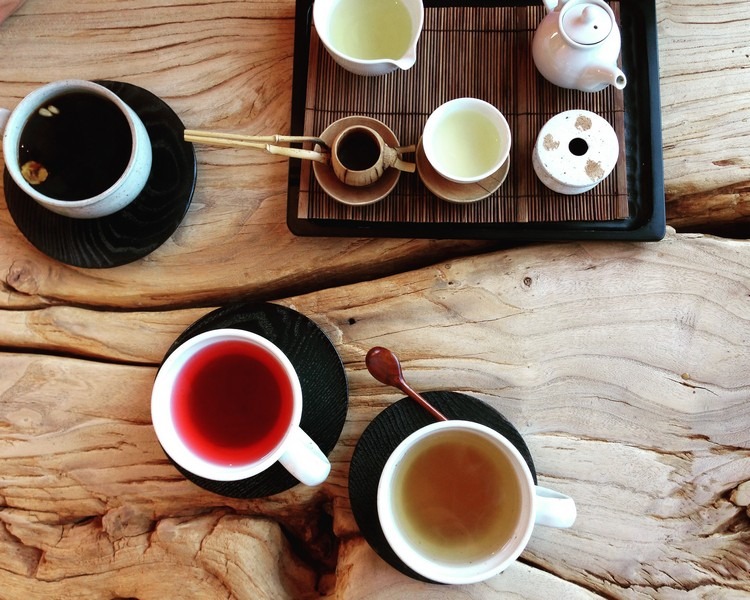
I didn’t realize until I was an adult that most of what she called “tea” wasn’t tea at all — at least not in the Western sense of steeped tea leaves. Korean “tea” (cha, 차) can mean anything from a roasted grain drink to a fruit preserve mixed with hot water to an actual leaf tea. The word covers an enormous range of beverages that have almost nothing in common except the fact that you drink them.
When I first started buying Korean teas on my own in London, I was completely overwhelmed. The store had an entire aisle of products labeled “tea,” and I had no idea which ones had caffeine, which ones were sweet, which ones needed brewing vs. mixing, and which ones my grandmother would have approved of.
Here’s the guide I wish I’d had.
Common Korean Traditional Tea Styles
| Tea or drink | Korean name | What it actually is | What it tastes like |
|---|---|---|---|
| Jujube tea | 대추차 (daechu-cha) | Dried jujube (Korean red date), sold as dried fruit, concentrate, or tea bags | Sweet, fruit-like, mild, warming |
| Omija tea | 오미자차 (omija-cha) | Dried schisandra berries, sold as dried berries, concentrate, or tea bags | Tart, fragrant, complex — famously “five flavors” |
| Citron tea | 유자차 (yuja-cha) | Jarred citrus preserve mixed with hot water | Citrusy, sweet, marmalade-like |
| Ginger tea | 생강차 (saenggang-cha) | Dried or fresh ginger, often sweetened | Warm, spicy, sweet depending on the product |
| Roasted barley tea | 보리차 (boricha) | Roasted barley, sold as tea bags or loose grain | Toasty, nutty, mild — the everyday Korean drink |
| Solomon’s seal tea | 둥굴레차 (dunggulle-cha) | Roasted root, sold as tea bags or loose | Toasty, mild, grain-like |
| Green tea | 녹차 (nokcha) | Actual tea leaves | Grassy, slightly bitter, contains caffeine |
The key thing to understand: Most Korean “teas” are not leaf teas. They’re grain drinks, fruit preserves, root infusions, or herbal preparations. This matters for caffeine, sweetness, and preparation method.
Caffeine: Which Teas Have It?
This is the question I get asked most often, and the answer is simpler than you’d think:
| Tea type | Caffeine? | Notes |
|---|---|---|
| Green tea (nokcha) | ✅ Yes | It’s made from tea leaves, so it contains caffeine |
| Grain teas (boricha, dunggulle-cha) | ❌ Usually no | Roasted grain drinks are typically caffeine-free |
| Fruit teas (yuja-cha, omija-cha, daechu-cha) | ❌ Usually no | Fruit and berry preparations don’t contain caffeine |
| Ginger tea | ❌ Usually no | Unless blended with actual tea leaves |
| Herbal teas | ❌ Usually no | Check the label — blends vary |
But always check the label. Some products are blends that include actual tea leaves, which would add caffeine. If caffeine is a concern, read the ingredient list rather than assuming based on the product name.
Sweetness: What to Expect
Here’s where people get surprised: many Korean teas are already sweetened.
Jarred fruit teas (yuja-cha, ginger tea, some jujube concentrates) are typically sold as sweetened preserves. You mix a spoonful with hot water, and the result is a sweet, flavorful drink. They’re more like a fruit spread than loose tea leaves.
Grain teas (boricha, dunggulle-cha) are usually unsweetened. You brew them from roasted grain or tea bags, and the result is a mild, toasty drink with no added sugar. These are the everyday drinks Koreans sip throughout the day.
Dried fruit and berry teas (omija, daechu) can be sold unsweetened (you add your own sweetener) or as sweetened concentrates. Check the label.
My practical advice: Taste before adding sweetener. Many jarred products are already quite sweet. Dried grain teas are not.
How I Choose a Korean Tea
| If I want… | I look for… | My practical pick |
|---|---|---|
| A light everyday drink | Caffeine-free, mild, easy to brew | Roasted barley tea (boricha) — I always have a pitcher in the fridge |
| A citrus or fruit-flavored drink | Fruit content, sweeteners, serving size | Yuja-cha from a jar — mix with hot water in winter, cold water in summer |
| A warming spice flavor | Ginger content, sweeteners, serving instructions | Ginger tea bags or a ginger-based concentrate |
| A product with no added sugar | Unsweetened tea bags or loose ingredients | Roasted grain teas or dried fruit teas where I control the sweetener |
| Something for my little boy | Caffeine-free, mild, not too sweet | Diluted boricha or a small amount of yuja-cha |
Preparing Korean Teas at Home
Different Korean teas require completely different preparation methods. This is where beginners get confused.
Tea Bags and Loose Grain Teas
Boricha, dunggulle-cha, and similar grain teas:
– Brew from tea bags or loose roasted grain
– Use the recommended water temperature and steeping time on the package
– Can be served hot or chilled
– I make a large batch of boricha every few days and keep it in the fridge — it’s our household’s default drink
Jarred Fruit and Ginger Bases
Yuja-cha, ginger tea, jujube concentrate:
– These are preserves, not loose tea
– Mix a spoonful (usually 1-2 tablespoons) with hot or cold water
– Taste before adding extra sweetener — they’re usually already sweet
– Adjust the amount based on how strong you like it
Dried Fruit and Berry Teas
Omija, daechu (jujube):
– Sold as dried berries or fruit that you simmer in water
– Or sold as tea bags for easier preparation
– Some products are concentrates that you dilute
– Follow the package instructions — preparation varies significantly
Cold Drinks
Some Korean teas are traditionally served cold:
– Boricha is often chilled and served as a refreshing everyday drink
– Omija tea is sometimes served cold in summer
– Prepare and store according to package and food-safety instructions
Where to Buy Korean Traditional Teas
Korean grocery stores: The best selection. Tea bags, roasted grain teas, jarred fruit teas, and dried ingredients are usually in the beverage or pantry aisle. You can compare brands and types in person.
Asian supermarkets: May have Korean drinks alongside Chinese, Japanese, and other Asian tea products. Check the country of manufacture and label — products from different countries may look similar but have different ingredients.
Specialty online retailers: Useful for comparing package sizes, ingredients, shipping regions, and current product information. Tea is lightweight, so shipping costs are usually reasonable.
Large online marketplaces: Check the seller, exact product image, ingredients, package size, and current retailer policy before ordering.
For more shopping guidance, visit the Where to Buy hub. For Korean food context, browse the Korean Food Culture section.
Frequently Asked Questions
Are Korean traditional teas always caffeine-free?
No. Green tea (nokcha) contains caffeine because it’s made from actual tea leaves. Most grain, fruit, root, and herbal Korean teas are caffeine-free, but product blends vary. Always check the current label if caffeine is a concern.
Is yuja-cha the same as loose-leaf tea?
Usually not. Yuja-cha is commonly sold as a jarred citrus preserve or concentrate that you mix with water. It’s more like a fruit spread than loose tea leaves. Read the product description and serving instructions.
Can I drink Korean tea for a cold or another health condition?
Tea can be an enjoyable beverage, but it is not a substitute for medical care. Ginger tea might feel soothing when you have a cold, and boricha is hydrating, but these are beverages, not treatments. Follow advice from a qualified healthcare professional for symptoms, medication questions, allergies, or health conditions.
What is a good first Korean tea to try?
Choose based on flavor preference:
– Mild and toasty: Roasted barley tea (boricha) — the everyday Korean drink
– Sweet and citrusy: Yuja-cha from a jar — mix with hot water
– Warming and spicy: Ginger tea — good for cold weather
Read labels for caffeine and sugar before choosing, especially if you’re sensitive to either.
How do I store Korean teas?
Follow the package instructions, but generally:
– Tea bags and dried ingredients: Cool, dry place in a sealed container
– Jarred preserves: Refrigerate after opening
– Concentrates: Check the label — some need refrigeration, others don’t
– Brewed tea: Refrigerate and consume within a few days
Product ingredients, sweeteners, caffeine information, stock, prices, and retailer policies can change. I write these guides based on what I find when I’m shopping and cooking, but always check the current package label and retailer information before purchasing.
🛒 Sip Korea: Traditional Tea Picks
- Korean corn tea (oksusu-cha) — toasty and caffeine-free → View on Amazon
- Korean barley tea (boricha) — the everyday fridge staple → View on Amazon
- Yuja citron tea — bright, honeyed citrus cups → View on Amazon
This post contains affiliate links. As an Amazon Associate, I earn from qualifying purchases.