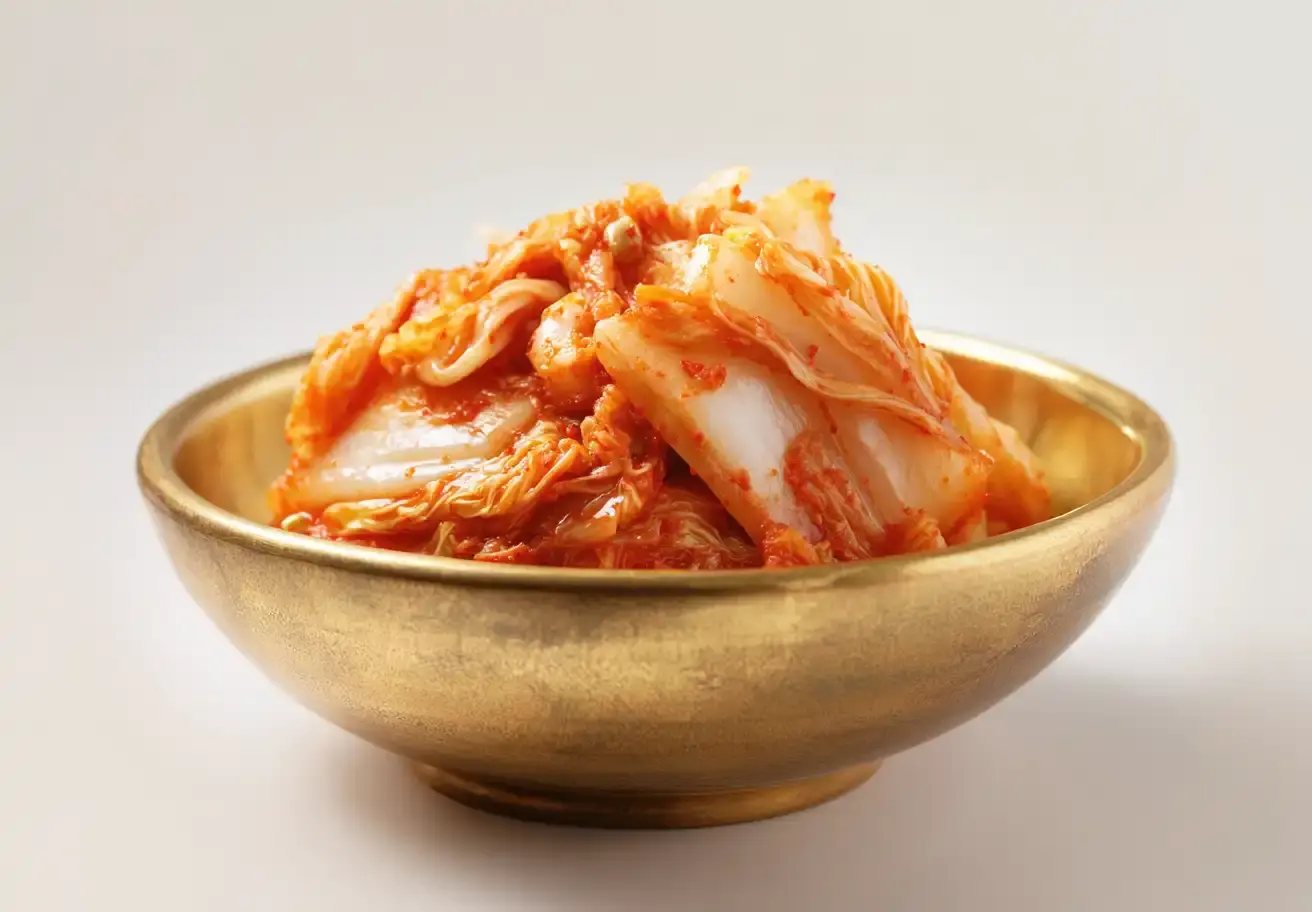
If you told my younger self in Seoul that I’d be teaching my American neighbors in Chicago how to make vegan Korean kimchi—without fish sauce!—I probably would’ve laughed. Yet here I am, in my mid-40s, standing in my kitchen surrounded by napa cabbage, hands stained red with gochugaru, and loving every minute. Whether you’re plant-based for health, ethics, or allergies, homemade vegan kimchi IS possible—and delicious. Let me share my favorite method, tips, and the story behind why this beloved Korean staple doesn’t need fish sauce to shine.
Why Vegan Kimchi? A Bit of Culture and My Family’s Kimchi Story
Kimchi is at the heart of Korean cuisine, appearing on our tables at every meal. Traditionally, it’s made with fermented seafood ingredients like fish sauce or salted shrimp for umami and depth—a flavor my mother insisted was non-negotiable. But after moving to Vancouver, and later to Chicago, I met many friends who were vegetarian, vegan, or allergic to seafood. I even remember an American neighbor asking, “Isn’t all kimchi spicy and full of fish?” (My pet peeve!)
That question pushed me to experiment with vegan kimchi recipes, especially after my son brought his friend—a strict vegan—home for dinner. I wanted everyone to enjoy kimchi, so I started tinkering. I quickly learned that with the right plant-based substitutes, you can absolutely make kimchi that’s just as flavorful, tangy, and satisfying. And yes, you can control the heat level, too!
What Makes Kimchi Flavorful Without Fish Sauce?
Fish sauce and shrimp add salt and umami, but you can mimic this depth with plant-based ingredients. Here are some of my favorites:
- Seaweed (kelp or kombu broth): Adds ocean-like savoriness.
- Miso paste: Brings fermented depth, especially white or yellow miso for a mild touch.
- Soy sauce or tamari: Offers saltiness and subtle umami.
- Mushroom powder or dried shiitake: For earthy, meaty notes.
- Fermented soybean paste (doenjang): Traditional and robust, if you want a real Korean flavor.
- Pear or apple: For a hint of sweetness and juiciness, just like Mom’s recipe.
Common Ingredient Substitutes Table
| Traditional Ingredient | Vegan Substitute | Flavor Profile |
|---|---|---|
| Fish Sauce | Soy Sauce, Tamari, Miso, Kombu Broth | Umami, Salty, Savory |
| Shrimp Paste | Fermented Soybean Paste (Doenjang), Mushroom Powder | Earthy, Fermented, Rich |
| Sugar | Pear, Apple, Maple Syrup | Sweetness, Fresh |
Vegan Korean Kimchi Recipe: Step-by-Step
Ingredients
- 1 large napa cabbage (about 2 kg / 4.5 lbs)
- 1/4 cup sea salt (non-iodized)
- 1 daikon radish (peeled, cut into matchsticks)
- 4 spring onions (chopped)
- 1 small carrot (julienned, optional)
- 1/2 Asian pear or apple (peeled, grated)
- 1/4 to 1/2 cup Korean chili flakes (gochugaru)
- 1 tablespoon grated ginger
- 5 cloves garlic (minced)
- 2 tablespoons miso paste (white or yellow)
- 1 tablespoon soy sauce or tamari
- 1/2 cup kombu (kelp) broth (cool, unsalted)
- 1 tablespoon sugar (optional, or use more fruit)
Instructions
- Prep the cabbage: Cut the napa cabbage lengthwise into quarters. Remove the core and chop into bite-sized pieces. Toss with salt in a large bowl, massaging gently. Let sit for 1–2 hours, turning every 30 minutes until wilted. Rinse well and drain.
- Make the kimchi paste: In a blender, combine pear/apple, ginger, garlic, miso, soy sauce, sugar, and kombu broth. Blend until smooth. Stir in gochugaru by hand (wear gloves!).
- Mix the veggies: In a big bowl, combine the drained cabbage, radish, carrot, and spring onions. Pour over the kimchi paste and mix well until everything is coated. (This is where my kids love to help—although they always complain about the smell!)
- Pack the mixture tightly into a clean glass jar or container, leaving 1 inch of space at the top. Press down to eliminate air pockets. Seal and let ferment at room temperature for 1–3 days, depending on warmth and taste. Once tangy and bubbly, move to the fridge. Enjoy within 3–4 weeks!
Practical Tips for US and UK Cooks
- Finding Ingredients: Look for napa cabbage, gochugaru, and miso at Korean groceries like H-Mart, Asian supermarkets, or online. If you’re not sure where to start, check my Where to Buy section.
- Salt: Always use non-iodized salt (like sea salt or kosher salt). I learned the hard way—iodized salt can make kimchi mushy!
- Fermentation Time: My Chicago kitchen in summer ferments kimchi in a day, but in the UK or during winter, it might take 2–3 days. Taste daily.
- Spice Level: Adjust gochugaru to your taste. Many Americans and Brits are surprised that not all kimchi is fiery—you control the heat!
- Tools: A large mixing bowl, gloves, and a glass jar are all you need. For more, check these kitchen tools for Korean cooking.
How Vegan Kimchi Compares: Flavor, Texture, and Nutrition
| Traditional Kimchi | Vegan Kimchi | |
|---|---|---|
| Umami Depth | Fish/seafood-based, oceanic | Earthy, with miso/seaweed/mushroom |
| Fermentation | Classic, slightly stronger aroma | Milder, sometimes sweeter |
| Nutrition | Contains animal protein, more sodium | Lower in sodium, cholesterol-free |
| Allergen-Friendly | Not suitable for fish/shellfish allergies | Vegan, allergy-friendly |
Why I Love Vegan Kimchi (Even as a Korean Traditionalist)
Honestly, my mother was skeptical when I first served her vegan kimchi, but even she had to admit it was delicious. The real test for me was when my American husband and his British coworker came for dinner. Both raved about the flavor, and neither missed the fish sauce. I make vegan kimchi now just as often as the classic version—it’s become a staple in our multicultural household.
Frequently Asked Questions: Vegan Korean Kimchi Recipe
- Does vegan kimchi ferment the same as regular kimchi?
Yes! The lactic acid fermentation relies on the veggies and salt, not seafood. Just be sure your jar and hands are clean. - Is all store-bought kimchi vegan?
Unfortunately, no. Many brands add fish sauce or shrimp. Always check the label or make your own for peace of mind. - How can I make my kimchi less spicy?
Reduce the gochugaru and add more pear or apple. For more tips, see Korean Food 101. - Can I use different vegetables?
Absolutely! Try bok choy, chard, or even kale. Just keep the salt ratio right for safe fermentation. - How do I store vegan kimchi?
Keep it in a glass jar in the fridge. It keeps fermenting slowly—eat within a month for the best texture.
Join our Korean Food Discussion Forum.
Have you tried making vegan kimchi at home? What plant-based substitutes worked best for you? Share your tips or questions in the comments or on the forum!
For more inspiration, check out these other topics on Ingredient Swaps, Dishes, and Trends. Happy fermenting!
🛒 Stock Your Korean Pantry
- Gochujang (Korean chili paste) — the backbone of Korean cooking → View on Amazon
- Seasoned seaweed snacks (gim) — crispy, salty, dangerously addictive → View on Amazon
- Jongga kimchi — a reliable store-bought classic → View on Amazon
This post contains affiliate links. As an Amazon Associate, I earn from qualifying purchases.