The first time I made kimchi by myself — alone in my London flat, armed with my grandmother’s recipe and a bag of gochugaru I’d bought at a Korean shop in New Malden — I used the wrong grind.
Learn more: gochugaru | Capsicum annuum
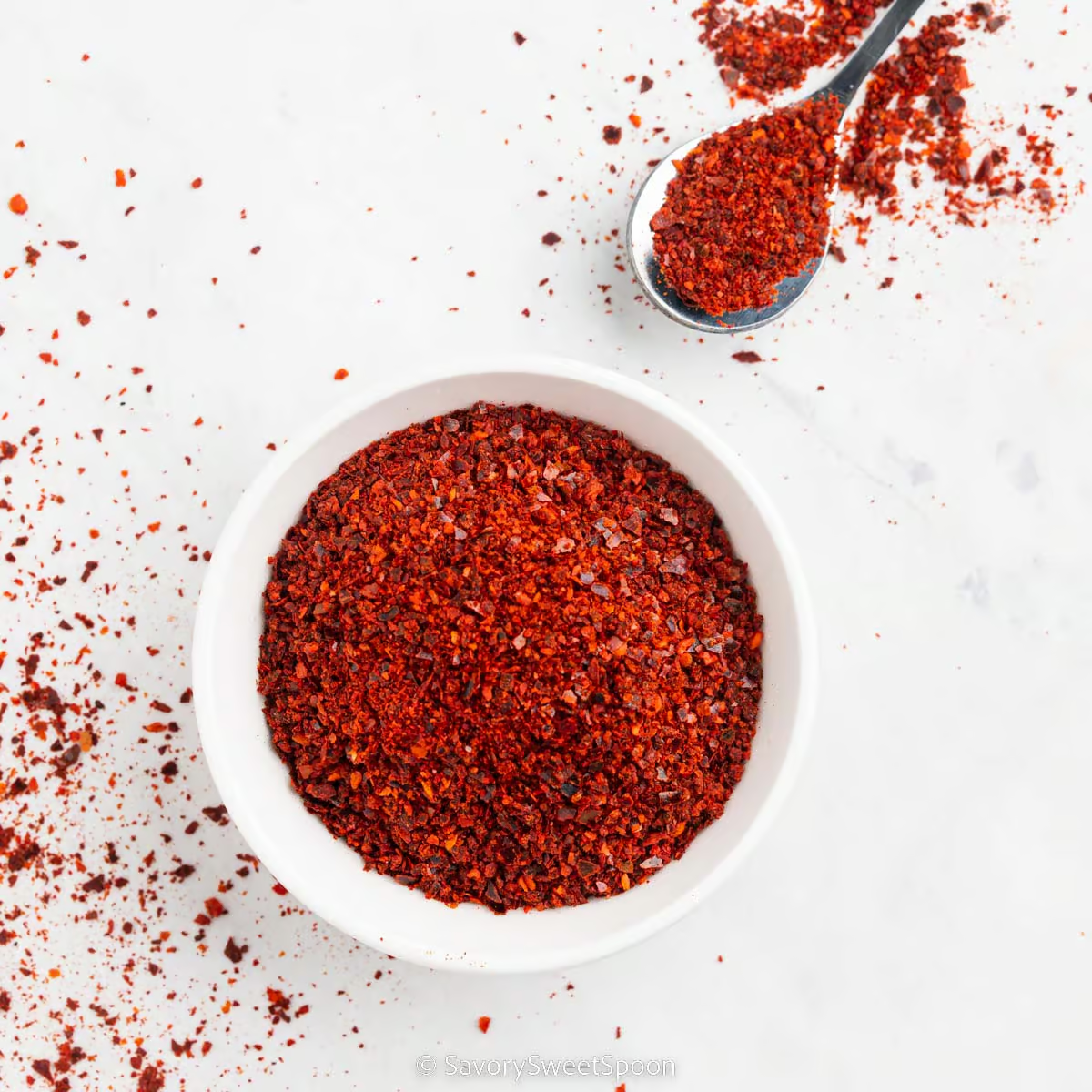
My grandmother’s recipe called for coarse gochugaru (굵은 고춧가루), the kind with visible flakes that cling to every leaf of napa cabbage. What I’d bought was fine gochugaru (가는 고춧가루), the powdery kind meant for smooth sauces and quick seasoning. The kimchi worked — it was edible, even tasty — but the texture was muddy and the color was too dark. My halmeoni would have raised an eyebrow.
That one mistake taught me something that no label ever did: gochugaru isn’t just “Korean chili powder.” The grind size, heat level, pepper variety, and even the crop year all change how it performs in your cooking. Here’s what I’ve learned from a decade of buying gochugaru in three different countries.
What Is Gochugaru?
Gochugaru (고춧가루) is dried Korean red pepper, ground into flakes or powder. It’s used for color, heat, and a specific kind of peppery flavor in kimchi, stews, sauces, and side dishes. It’s not the same as cayenne, paprika, or generic “crushed red pepper flakes” from the pizza aisle.
The pepper variety used for gochugaru (called taeyangcho when sun-dried) has a moderate heat level and a fruity, slightly sweet undertone that you won’t find in other chili products. That’s why there’s no perfect substitute — but more on that later.
Coarse vs. Fine: Which One Do You Need?
| Type | Korean label | Texture | Best for |
|---|---|---|---|
| Coarse (굵은) | 굵은 고춧가루 | Visible flakes, like rough breadcrumbs | Kimchi, stews, seasoning where you want texture |
| Fine (가는) | 가는 고춧가루 | Powder, like paprika | Smooth sauces, quick seasoning blends, gochujang-style pastes |
If you’re buying one bag: Get coarse. It’s more versatile, it’s what most traditional recipes expect, and you can always blitz it finer in a spice grinder if a recipe needs fine powder.
Heat Level: Why Your Gochugaru Might Surprise You
Here’s something that trips up a lot of first-time buyers: gochugaru heat varies enormously — between brands, between crop years, and even between bags of the same brand. I’ve had “mild” bags from one brand that were hotter than “medium” bags from another.
Korean products sometimes use a heat scale on the package (look for numbers or chili pepper icons), but these aren’t standardized across brands. My advice:
- Start with mild or medium if you’re unsure
- Taste a tiny pinch before adding it to a dish
- Adjust gradually — you can always add more, but you can’t take it out
- If it’s too hot, balance with a little sugar, rice syrup, or extra vegetables
My little boy can handle mild gochugaru in his food now, but when he was younger I’d use sweet paprika for color and skip the heat entirely.
Gochugaru vs. Other Chili Products
People always ask me if they can substitute something else. Here’s the honest truth:
| Product | Can you use it instead? | What changes |
|---|---|---|
| Generic crushed red pepper | Kind of | Different pepper variety, different texture, different color. Usable in a pinch for stews, not great for kimchi. |
| Cayenne powder | Carefully | Usually MUCH hotter and finer. Use about 1/4 to 1/3 the amount and expect a different flavor. |
| Sweet paprika | For color only | Adds beautiful red color but almost no heat and a very different flavor. I sometimes mix paprika with a small amount of cayenne as an emergency substitute. |
| Aleppo pepper | Sometimes | Different pepper variety, but the mild fruity heat is closer to gochugaru than most alternatives. Works in some dishes. |
| Shichimi togarashi | No | This is a Japanese spice blend with sesame, seaweed, and other ingredients. Completely different product. |
My emergency substitute (when I have zero gochugaru): 2 parts sweet paprika + 1 part cayenne powder, adjusted to taste. It’s not the same, but it gives you color and heat in a way that’s close enough for casual weeknight cooking. For kimchi, there’s genuinely no good substitute — just wait until you can get proper gochugaru.
How to Choose Gochugaru at the Store
When I’m standing in the aisle comparing bags, here’s what I actually look at:
- Grind size: Coarse for kimchi and stews, fine for sauces. Check the Korean text (굵은 = coarse, 가는 = fine) or the product photo.
- Heat level: Look for a heat indicator on the package. If there’s none, assume medium and adjust.
- Ingredients: Should be just one thing — red pepper (고춧가루). Some products add salt or other ingredients. For cooking flexibility, get pure gochugaru.
- Country of manufacture: Korean-grown peppers (国产 or 국내산) are generally considered best, but they’re also more expensive. Chinese-grown gochugaru is widely available and perfectly fine for everyday cooking.
- Size: Buy a small bag (100-200g) for your first purchase. Gochugaru loses its vibrancy over time, so there’s no point buying a kilogram bag if you cook Korean food occasionally.
Storage: This Is Where Most People Go Wrong
Gochugaru is NOT a shelf-stable spice you can leave in your cupboard forever. Here’s what I do:
- Unopened: Cool, dark cupboard is fine.
- Opened: Airtight container in the freezer. Yes, the freezer. This keeps the color bright red and the flavor fresh for months. My grandmother did this, her mother did this, and I do this.
- Fridge is also OK if you use it frequently, but the freezer is better for long-term storage.
- Always use a dry spoon. Moisture is gochugaru’s enemy.
- If it turns brown or dull, it’s not spoiled but it’s lost its vibrancy. Use it for stews where color matters less, or replace it.
I keep a small jar in my spice rack for daily use and the rest of the bag sealed in the freezer. This system has never failed me.
Where to Buy Gochugaru
Korean grocery stores: Best option. They’ll carry both coarse and fine in multiple heat levels and sizes. You can compare labels in person.
Asian supermarkets: The Korean aisle usually has gochugaru, but check the label carefully — it may be sitting next to Chinese or Japanese chili products that look similar but aren’t the same thing.
Online retailers: Good option if you don’t have a Korean market nearby. Check seller details, product images, heat labels, and package sizes before ordering.
Large online marketplaces: I’ve had mixed results. Always verify the exact product and seller before ordering — marketplace listings sometimes show generic photos that don’t match what arrives.
For my full shopping guide, check out the Where to Buy hub and my gochujang shopping guide.
Frequently Asked Questions
Is gochugaru always spicy?
No. Heat varies significantly by product, crop, and brand. Some gochugaru is quite mild — more about color and pepper flavor than heat. Always check the package and start with a small amount when trying a new brand.
Can I use paprika instead of gochugaru?
Sweet paprika adds color but very little heat and a different flavor. It can work as part of an emergency substitute (mixed with a small amount of cayenne), but it won’t taste like gochugaru on its own. For kimchi specifically, there’s no good substitute.
Which texture is best for kimchi?
Coarse gochugaru (굵은 고춧가루) is what most kimchi recipes expect. The flakes cling to the cabbage leaves and give kimchi its characteristic texture. Fine powder will work but produces a muddier, darker result.
Does gochugaru expire?
It doesn’t spoil in the traditional sense, but it loses color, aroma, and heat over time. Stored in the freezer in an airtight container, it stays vibrant for 6-12 months. In a warm cupboard, it can go dull in as little as 2-3 months. If your gochugaru has turned brown and smells dusty rather than peppery, it’s time to replace it.
Product heat, ingredients, grind size, stock, prices, and retailer policies can change. I write these guides based on what I find when I’m shopping and cooking, but always check the current package label and retailer information before purchasing.
🛒 Stock Your Korean Pantry
- Gochujang (Korean chili paste) — the backbone of Korean cooking → View on Amazon
- Seasoned seaweed snacks (gim) — crispy, salty, dangerously addictive → View on Amazon
- Jongga kimchi — a reliable store-bought classic → View on Amazon
This post contains affiliate links. As an Amazon Associate, I earn from qualifying purchases.