What Makes Korean Tteokbokki Different from Japanese Mochi? A Flavor and Texture Comparison for Home Cooks
If you’ve ever stood in front of the rice cake section at H-Mart (like I did my…

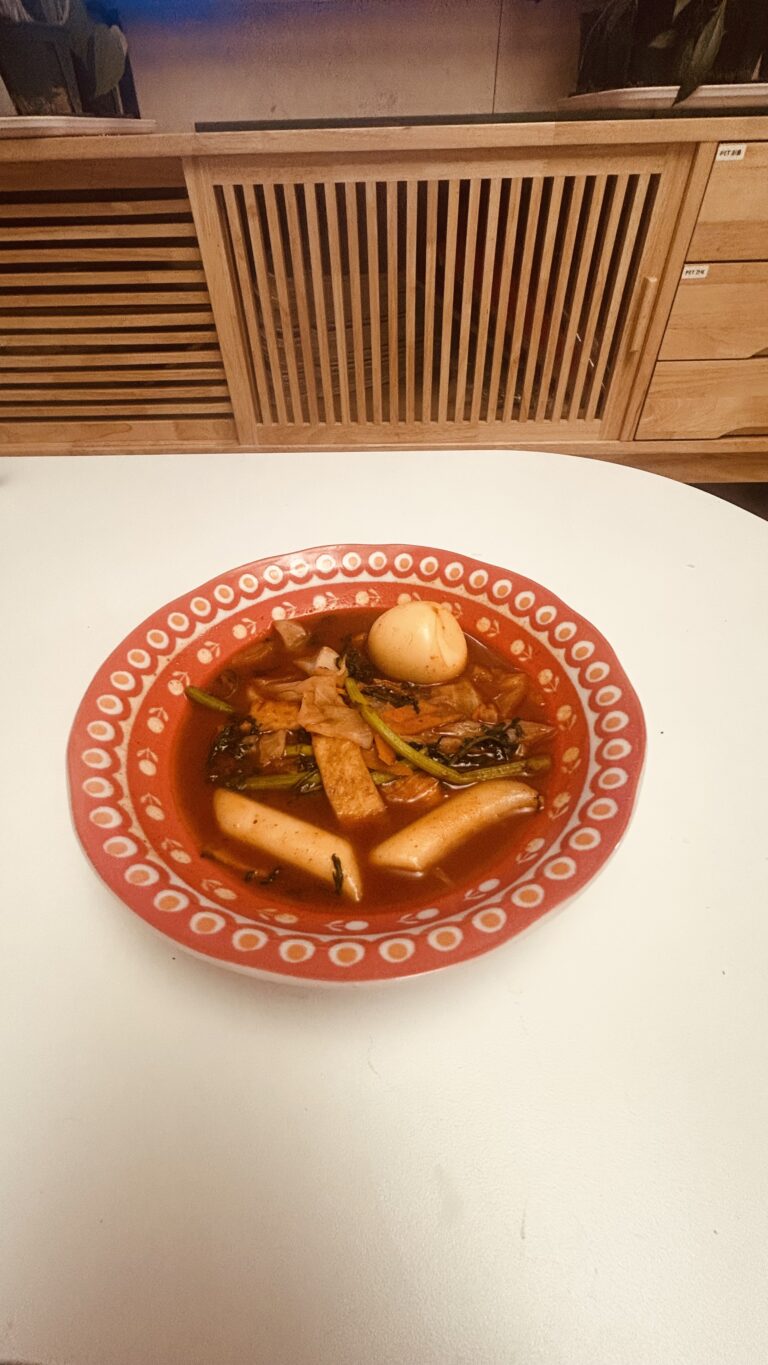
If you’ve ever stood in front of the rice cake section at H-Mart (like I did my…
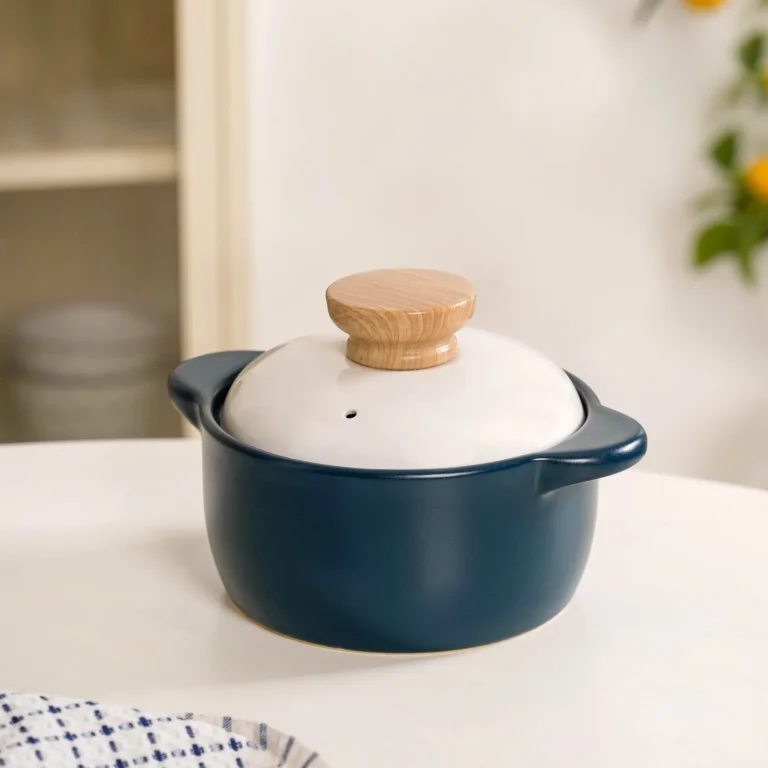
I own a ttukbaegi — a Korean earthenware pot — that has survived three international moves. Learn…
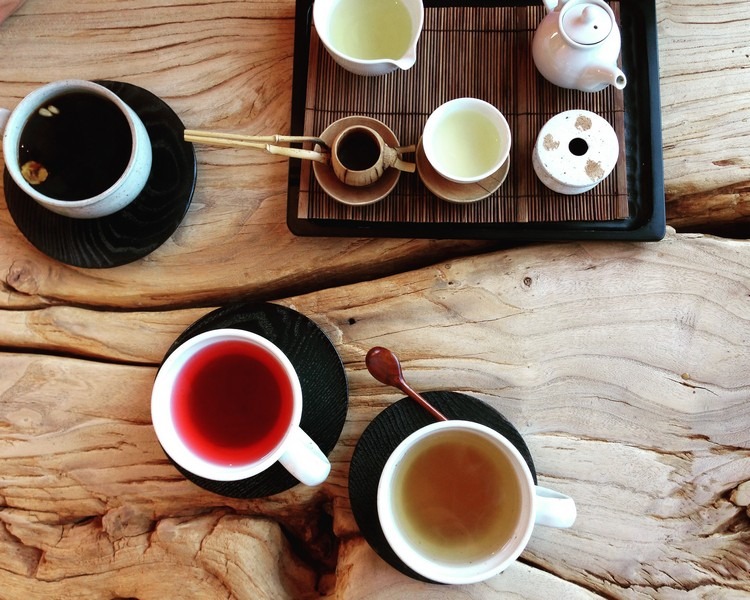
My grandmother had a tea for everything. Learn more: Korean tea Stomach ache? Ginger tea. Couldn’t sleep?…
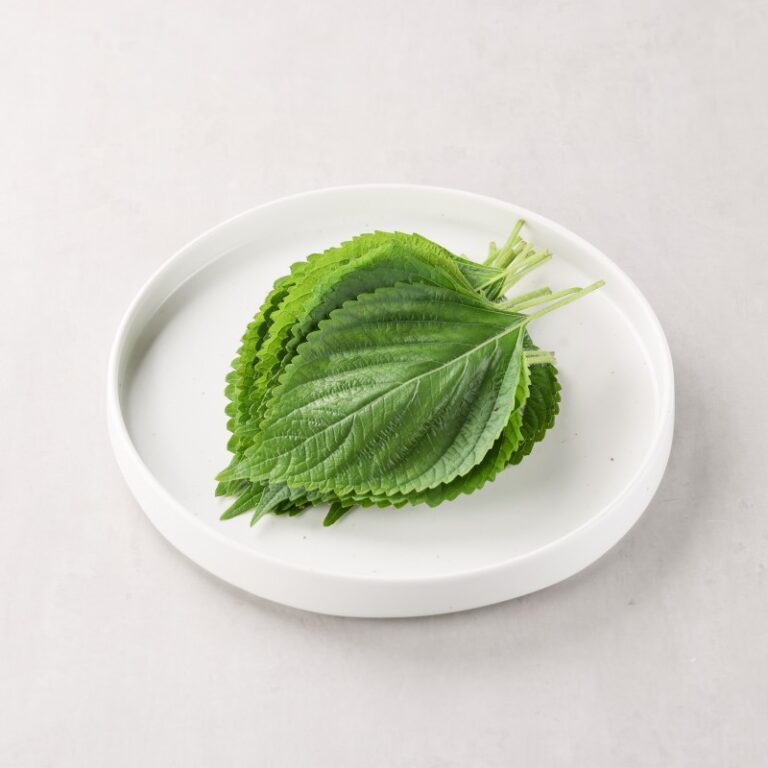
The first time I tried to explain perilla leaves to my husband, I gave up and just…
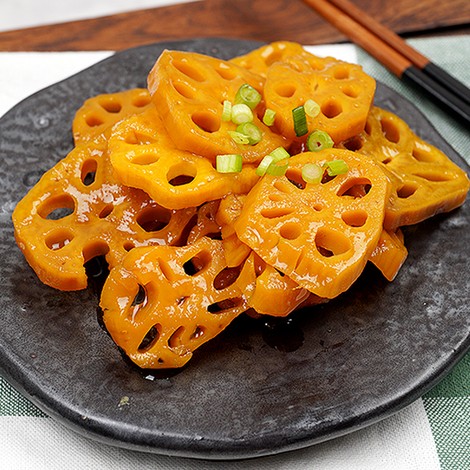
Lotus root is a crisp aquatic vegetable with a distinctive pattern of holes when sliced. In Korean…
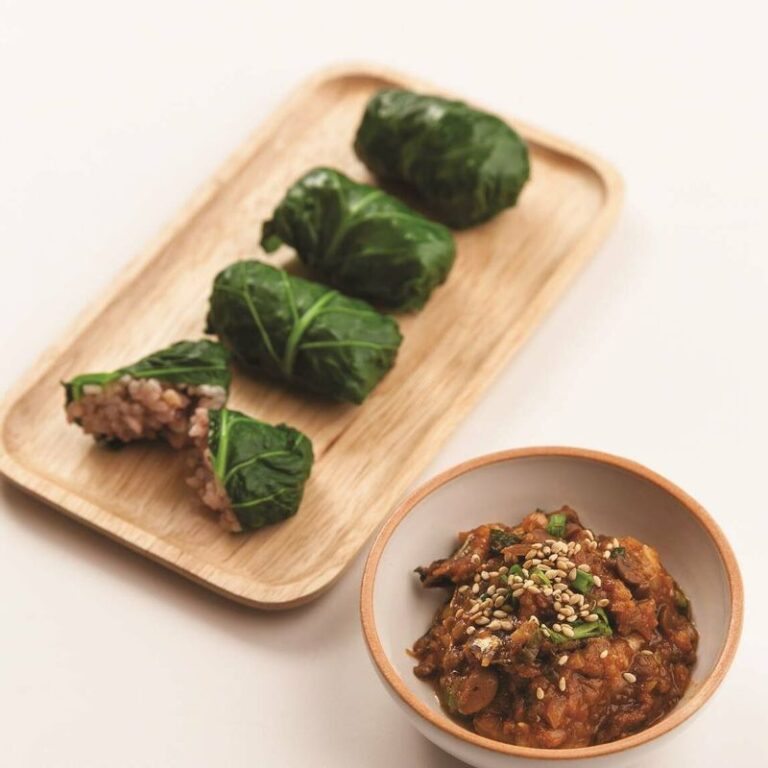
Here’s a scenario I’ve lived approximately forty-seven times: Learn more: Korean cuisine You’re at a Korean grocery…

Korean dried anchovies, called myeolchi, are a pantry ingredient used for broth, side dishes, and seasoning. They…
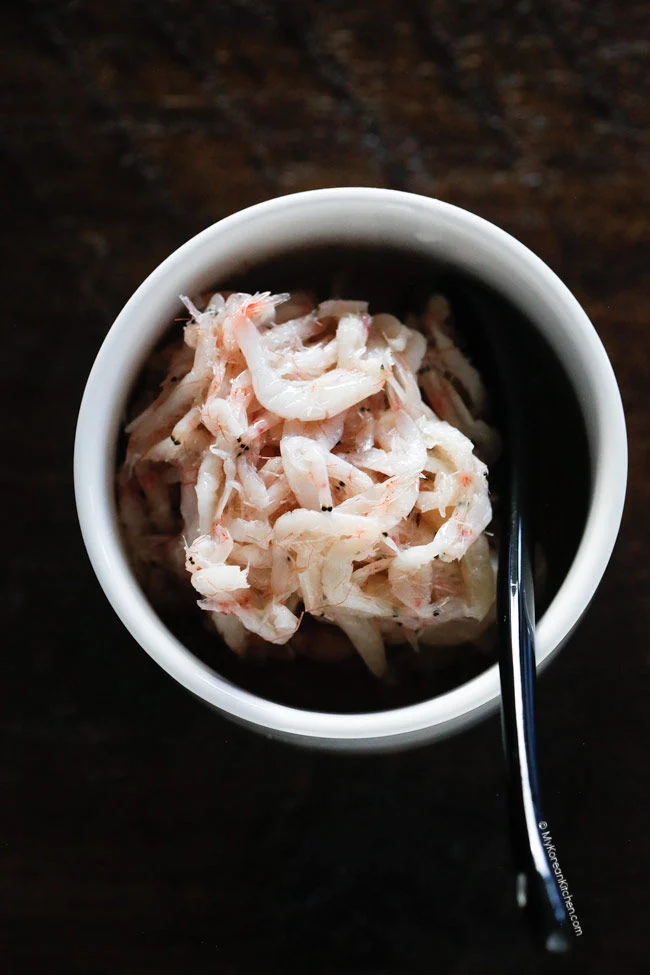
I have a theory about saeujeot: you either grew up with it and can’t imagine kimchi without…

If you have ever stood in a Korean grocery store staring at shelves of milky bottles, clear…
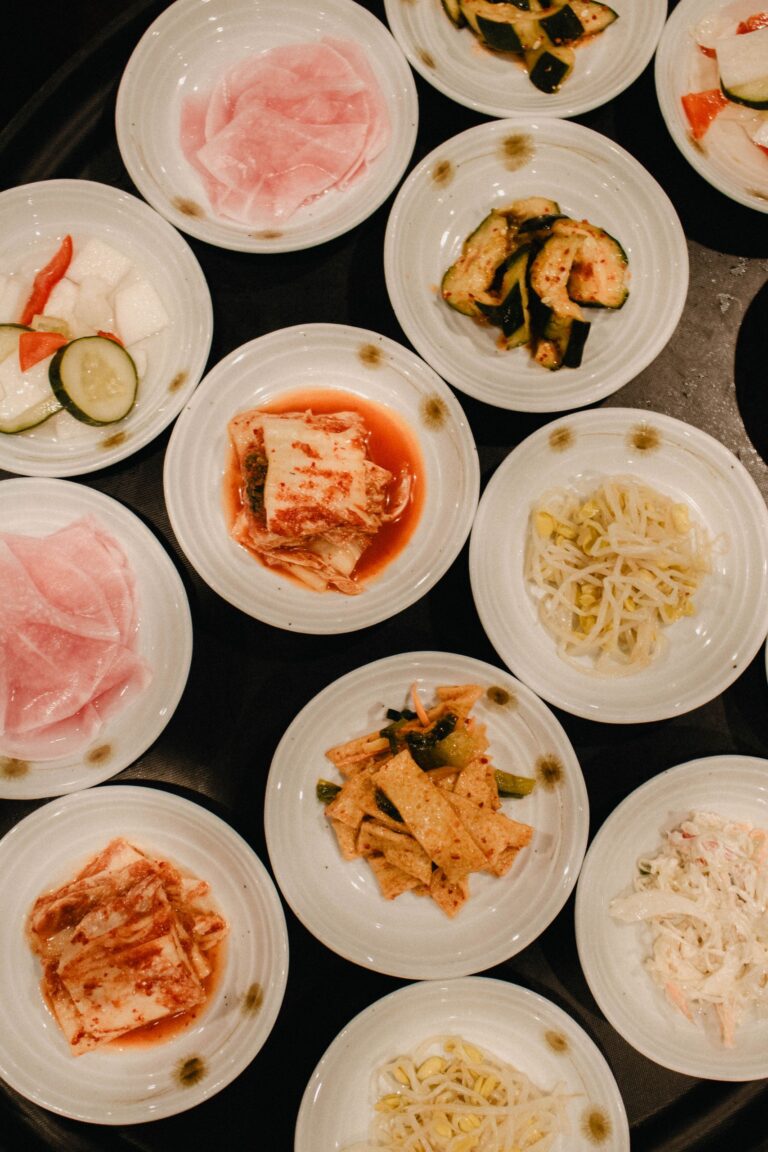
Banchan are Korean side dishes served alongside rice and main dishes. They can include fermented vegetables, seasoned…